
If there’s one thing that first-time homeowners get surprised by, it’s probably the amount of responsibility that comes with owning a home.
From budgeting for monthly expenses to caring for your home and being a good neighbor, understanding first-time homeowner responsibilities can help you feel more confident as you settle into your new home.
Homeownership vs. Renting: What Changes?

One of the biggest differences between renting and owning is control of your space. As a renter, you may have limited ability to customize your home, make upgrades, or change major features. As a homeowner, you have more freedom to paint, decorate, renovate, and create a home that fits your lifestyle.
However, that added freedom comes with added accountability. If something breaks, needs regular upkeep, or requires long-term planning, it is typically up to you to address it. Instead of calling a landlord, you’ll need to decide whether to handle the task yourself, hire a professional, or plan for a future repair.
For many first-time homeowners, this shift is one of the biggest adjustments. The good news is that with a little planning, the ins and outs of homeownership can become a manageable part of your routine.
Financial Responsibilities of a New Homeowner
Owning a home means managing more than just a monthly mortgage payment. First-time homeowners should understand the full financial picture of homeownership so they can budget confidently and avoid surprises.
Mortgage Payments
Your mortgage payment is usually your largest monthly housing expense and may include principal, interest, taxes, insurance, and mortgage insurance. Paying on time is essential, and automatic payments or reminders can help.
Property Taxes
Homeowners are responsible for property taxes, which fund local services such as schools and roads. These taxes may be paid through an escrow account or directly, so it is important to know how and when they are due.
Homeowners Insurance
Homeowners insurance protects your home and belongings from covered losses. Review your policy regularly and update your coverage if you make major improvements or purchase valuable items.
Utilities and Monthly Services
Homeowners are in charge of paying utilities and services such as electricity, water, internet, and trash collection. Be sure to include these costs in your budget, as they may change with the seasons.
HOA Dues and Emergency Savings
If your home is in a homeowners association, understand the dues, what they cover, and any community rules. Keeping an emergency savings fund can help pay for unexpected repairs and ongoing home maintenance.
Home Maintenance and Homeowner Responsibilities

Owning a home requires ongoing maintenance, safety awareness, and community involvement to protect your investment and keep your property in good condition.
Home Maintenance
- Follow a seasonal maintenance routine, including gutter cleaning, HVAC checks, lawn care, weather preparation, and exterior inspections.
- Maintain landscaping, lawns, and exterior areas, while following any HOA guidelines if applicable.
- Regularly service HVAC systems by replacing filters, clearing vents, and scheduling professional maintenance.
- Learn basic plumbing and electrical safety, such as locating the main water shutoff valve and breaker panel.
- Care for appliances through routine cleaning, inspections, and manufacturer-recommended maintenance.
- Inspect roofs, gutters, siding, windows, doors, and foundations to prevent costly damage.
Safety and Security
- Test smoke and carbon monoxide detectors regularly and replace batteries and aging devices as recommended.
- Consider rekeying locks after moving in and regularly inspect doors, windows, and garage entry points.
- Maintain an emergency plan, including access to shutoff valves, flashlights, first-aid supplies, and weather preparedness resources.
- If purchasing a Century Communities home, get set up with your Century Home Connect® system, which lets you manage your smart door locks and check in on your home from the Alarm.com app, along with other smart home features offering convenience and security.
Neighborhood and Community Responsibilities
- Be a considerate neighbor by maintaining your property, respecting noise levels, and communicating respectfully.
- Follow HOA rules and local ordinances related to landscaping, parking, trash collection, pets, and exterior modifications.
- Maintain curb appeal through routine yard work and exterior upkeep.
- Stay engaged in your community through meetings, events, and local initiatives.
Administrative Responsibilities
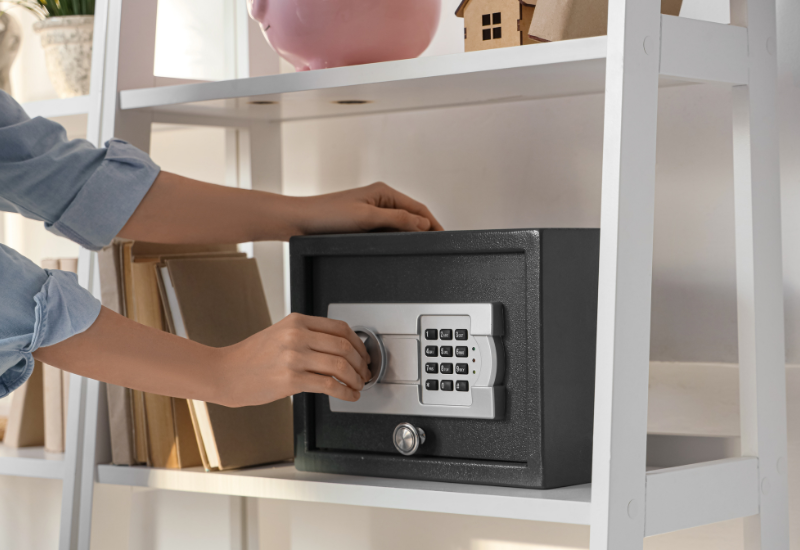
- Keep important documents organized, including mortgage records, insurance policies, warranties, HOA documents, inspection reports, and repair receipts.
- Review and understand warranty coverage for your home and appliances.
- Update your address with financial institutions, employers, government agencies, insurance providers, and other important organizations after moving.
Tips for First-Time Homeowners
The responsibilities of homeownership may seem like a lot at first, but they become easier with a plan. Start by creating a monthly budget that includes your mortgage, utilities, insurance, taxes, HOA dues, and savings for maintenance. Then, build a simple seasonal maintenance checklist so important tasks don’t get forgotten.
It’s also smart to keep a list of trusted professionals, such as a plumber, electrician, HVAC technician, landscaper, and handyman. Having contacts ready before you need them can reduce stress when repairs come up.
Most importantly, give yourself time to learn. First-time homeownership is a big transition, and no one becomes an expert overnight. With organization and consistency, you can protect your home, manage your responsibilities, and enjoy the benefits of owning a place of your own.
FAQ: New Homeowner Responsibilities
What are the main responsibilities of a new homeowner?
The main responsibilities of a new homeowner include paying the mortgage and related housing costs, maintaining the home, handling repairs, keeping the property safe, following local or HOA rules, and being a considerate neighbor.
How is owning a home different from renting?
When you rent, a landlord or property manager typically handles major repairs, exterior maintenance, and property decisions. When you own a home, those responsibilities usually become yours. Homeowners also have more freedom to customize their space and build equity over time.
What monthly expenses should first-time homeowners expect?
First-time homeowners should budget for a mortgage payment, property taxes, homeowners insurance, utilities, HOA dues if applicable, maintenance costs, and emergency savings. Some homeowners may also have mortgage insurance depending on their loan.
How much should a homeowner save for maintenance?
A common approach is to set aside money each month for routine maintenance and unexpected repairs. The right amount depends on the home’s age, size, condition, and location, but having a dedicated savings fund can help homeowners prepare for future expenses.
What maintenance should new homeowners do first?
New homeowners should start by learning where key systems are located, such as the breaker box, water shutoff valve, and HVAC filter. It’s also helpful to test smoke detectors, change air filters, check locks, review appliance manuals, and create a seasonal maintenance checklist.
Are homeowners responsible for repairs?
Yes. In most cases, homeowners cover repairs inside and outside the home. Depending on the situation, certain items may be covered by a builder warranty, manufacturer warranty, home warranty, or insurance policy.
What neighborhood responsibilities do homeowners have?
Homeowners are expected to maintain their property, follow local rules or HOA guidelines, respect neighbors, manage noise, and park appropriately. These actions help support a clean, safe, and welcoming community.
Do first-time homeowners need an emergency fund?
Yes. An emergency fund is highly recommended for homeowners because unexpected repairs can happen at any time. Saving in advance can help cover urgent needs such as plumbing repairs, appliance issues, storm damage, or HVAC service.


