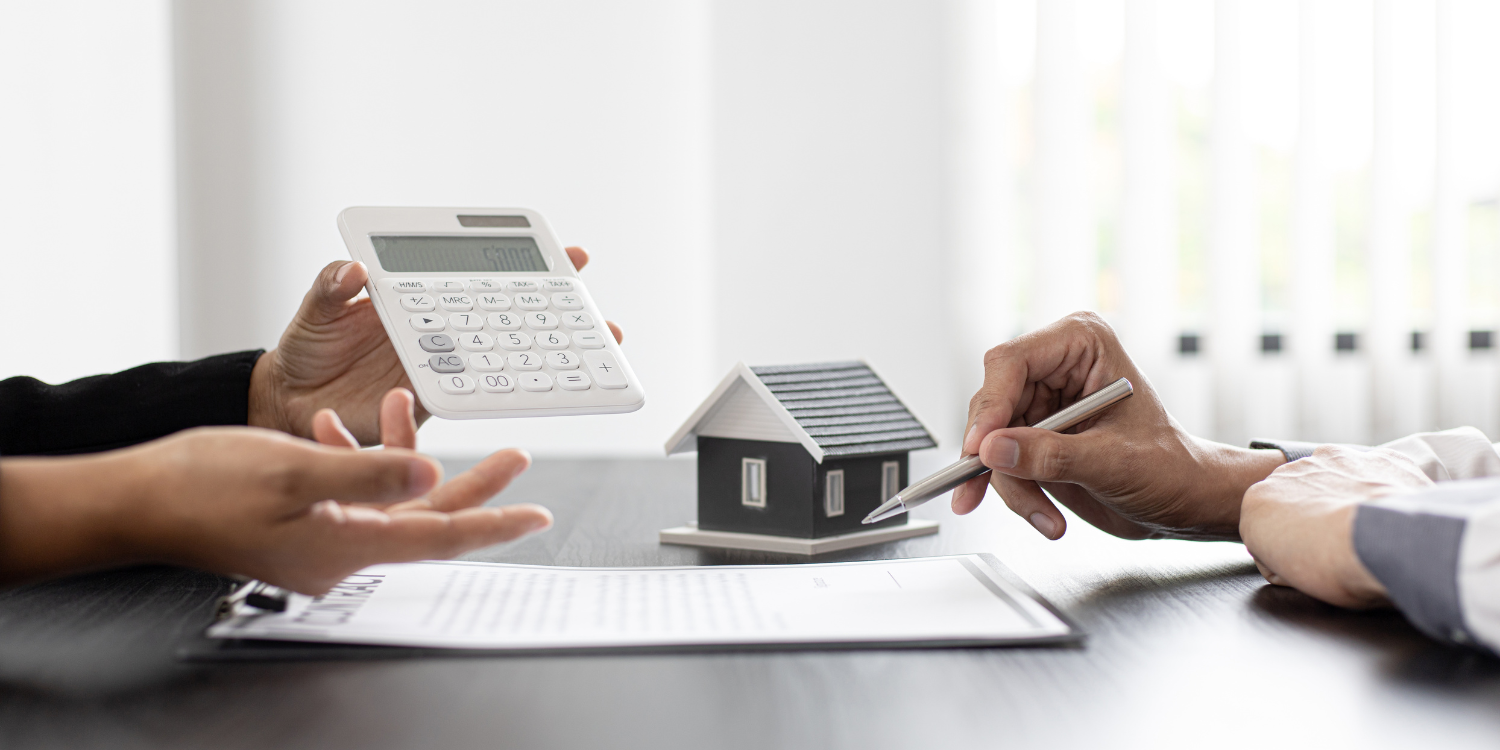
Deciding whether to keep renting or take the next step toward homeownership is one of the biggest financial choices many people will make. At first glance, the comparison may seem simple: rent is what you pay a landlord, while a mortgage is what you pay toward a home you own. But the true differences of renting vs. buying a home go much deeper.
Renting can offer flexibility, fewer maintenance responsibilities, and a lower upfront commitment. A mortgage, on the other hand, can offer long-term stability, potential equity growth, and the opportunity to make a home truly your own. For potential homebuyers, understanding how these two options compare can help you decide when the timing is right.
What Is Rent?
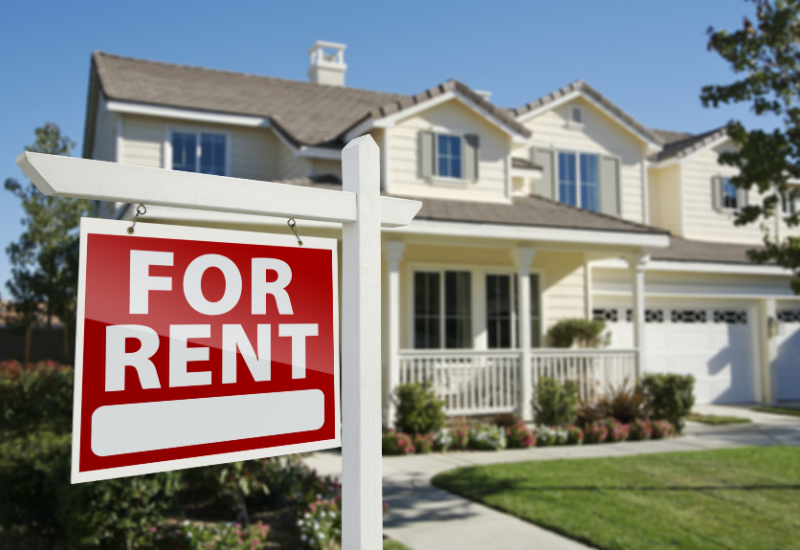
Rent is a monthly payment made to a landlord or property owner in exchange for living in a home, apartment, condo or townhome. As a renter, you are paying for the right to live in the property, but you do not own it.
In most cases, your rent payment covers the use of the home and may include certain services or amenities, depending on the lease. Some rentals include utilities, trash service, parking, lawn care, or access to community features like a pool, fitness center, or clubhouse. Others require tenants to pay for these separately.
When it comes to property taxes, landlords are responsible for paying the tax, but renters should expect that to be included in the rental amount.
Renting can be a practical option for people who want flexibility, are new to an area or are still preparing financially for homeownership. However, rent payments do not typically help you build equity or ownership in the property.
What Is a Mortgage?
A mortgage is a loan used to purchase a home. Instead of paying a landlord, homeowners make monthly payments to a mortgage lender. These payments generally include principal, interest and, in many cases, property taxes, and homeowners insurance through an escrow account.
The principal is the amount borrowed to buy the home. Interest is the cost of borrowing that money. Over time, as you pay down the loan and your home’s value potentially changes, you may build equity—the difference between what your home is worth and what you still owe on the mortgage.
Mortgage rates can have a major impact on monthly payments, and you’ll want to work with your preferred lending partner to get a good idea of what interest rate and APR may apply to your loan.
Mortgage vs. Rent: The Core Difference
The biggest difference between renting and paying a mortgage is ownership.
When you rent, your monthly payment gives you a place to live for the length of your lease. When the lease ends, you may renew, move or face a rent increase depending on your landlord and local market conditions.
When you pay a mortgage, your monthly payment goes toward a home you own, assuming you meet the terms of the loan. While homeowners take on more responsibility, they also have the opportunity to build equity, personalize their home, and benefit from greater long-term housing stability.
Monthly Payments: Predictability vs. Flexibility
Rent payments are often easier to understand upfront. Your lease states the monthly amount, the lease term and any included services. However, rent can increase when your lease renews. In high-demand areas, rent increases can make it harder to predict long-term housing costs.
Mortgage payments can be more complex, but they may offer more predictability over time—especially with a fixed-rate mortgage. With a fixed-rate loan, the principal and interest portion of your payment stays the same for the life of the loan. However, your total monthly payment may still change due property taxes, insurance premiums, HOA dues, or other ownership costs.
For buyers who want more stable long-term housing costs, a fixed-rate mortgage can be appealing. For those who may move soon, renting may offer more flexibility.
Upfront Costs: Security Deposit vs. Down Payment
Renting typically requires lower upfront costs than buying. A renter may need to pay a security deposit, first month’s rent, last month’s rent, application fees or pet fees.
Buying a home usually requires more upfront planning. Common costs may include:
- Down payment
- Closing costs
- Home inspection fees
- Appraisal fees
- Prepaid taxes and insurance
- HOA fees, if applicable
- Utility activation/installation charges
That said, many buyers are surprised to learn that they may not need a 20% down payment to purchase a home. Loan programs such as FHA, VA, USDA and certain conventional loan options may allow for lower down payments for qualified buyers.
Long-Term Value: Expense vs. Equity
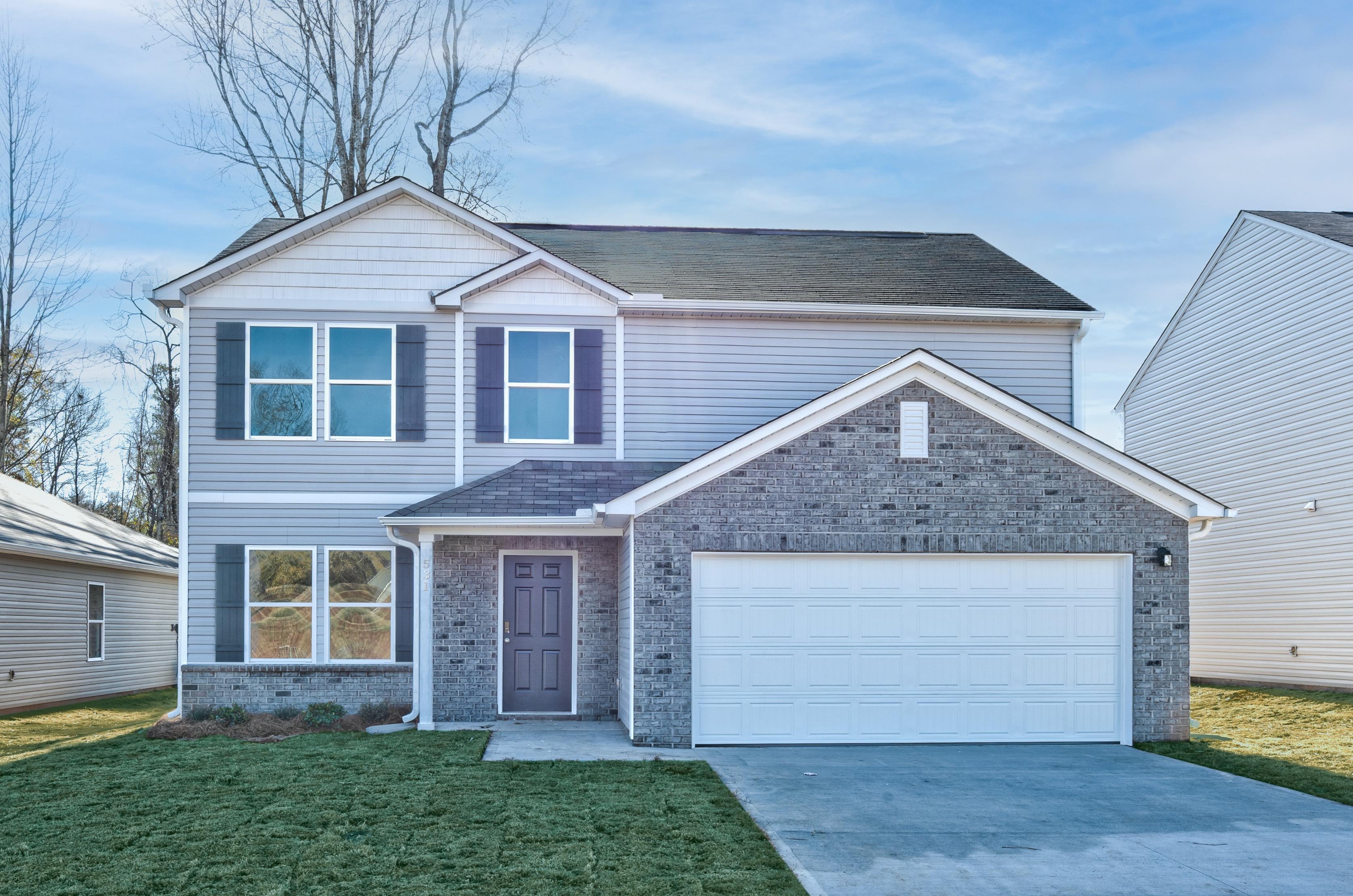
One of the most important differences between renting and owning is equity.
Rent is generally considered a housing expense. It gives you a place to live, but it does not create ownership in the property.
Making mortgage payments may help build equity over time, although the amount of equity depends on loan repayment and changes in the home’s market value. In the early years of a mortgage, a larger portion of the payment often goes toward interest. Over time, more of the payment typically goes toward principal. If the home’s value increases, that may also add to your equity position.
Equity can become a valuable financial tool. Homeowners may be able to use it in the future when selling, refinancing, or accessing home equity products. However, home values can fluctuate, and equity growth is not guaranteed.
Maintenance and Repairs
Renters usually have fewer maintenance responsibilities. If an appliance breaks or a major repair is needed, the landlord or property manager is generally responsible, depending on the lease terms.
Homeowners are responsible for maintaining their property. That may include landscaping, HVAC service, roof repairs, plumbing, appliance replacement and general upkeep. While this adds responsibility, it also gives homeowners more control over the care, appearance, and function of their home.
For buyers considering new construction, one potential advantage is that many new homes come with modern systems, new appliances and builder-backed warranty coverage, which may help reduce some repair concerns in the early years of ownership.
Personalization and Control
Renters are often limited in how much they can personalize their space. Painting walls, changing flooring, upgrading fixtures or making major changes may require landlord approval—or may not be allowed at all.
Homeowners have much more freedom to make their home their own. From choosing décor and landscaping to renovating rooms or adding smart-home features, ownership provides more control over the way a home looks, feels and functions.
This can be especially appealing for buyers who want a home that reflects their lifestyle, design preferences and long-term plans.
Stability and Flexibility
Renting can be ideal for people who need flexibility. If you expect to relocate for work, are exploring a new city or are not ready for long-term commitment, renting may make sense.
Owning a home often provides more stability. You do not have to worry about a landlord selling the property, changing lease terms or deciding not to renew. For many buyers, this stability is one of the biggest emotional and financial benefits of homeownership.
According to the U.S. Census Bureau, the U.S. homeownership rate was 65.3% in the first quarter of 2026, showing that homeownership remains a major part of the American housing landscape.
Cost Burden and Affordability
Both renters and homeowners need to think carefully about affordability. A common guideline is to avoid spending too much of your income on housing costs, though the right number depends on your full financial picture, debts, lifestyle and local market.
Rent affordability remains a challenge for many households. Harvard’s Joint Center for Housing Studies reported that in 2024, 22.7 million renter households—49% of all renters—spent more than 30% of their income on rent and utilities.1
For potential homebuyers, this is one reason it can be helpful to compare your current rent with an estimated mortgage payment. In some markets, the monthly costs may be closer than expected, while in others, buying may require more savings or a longer planning timeline.
Credit, Qualification and Financial Readiness
Renting may require a credit check, proof of income and rental history. Buying a home typically involves a more detailed financial review.
Mortgage lenders generally evaluate:
- Credit score
- Income and employment history
- Debt-to-income ratio
- Savings and assets
- Down payment funds
- Loan type and eligibility
- Property value and appraisal
Before applying for a mortgage, it can be helpful to review your credit, reduce high-interest debt, estimate your monthly budget and speak with a lender about what you may qualify for.
Taxes and Insurance
Renters may choose to carry renters insurance, which helps protect personal belongings and may provide liability coverage. Renters do not directly pay property taxes, although those costs may be factored into rent by the property owner.
Homeowners typically pay homeowners insurance and property taxes. Depending on the loan structure, these may be included in the monthly mortgage payment through escrow. Homeowners may also be responsible for HOA dues, special assessments or local fees depending on the community.
While these costs add to the total monthly payment, some homeowners may be eligible for certain tax benefits depending on their individual circumstances. Buyers should consult a qualified tax professional regarding their specific situation..
Lifestyle Considerations
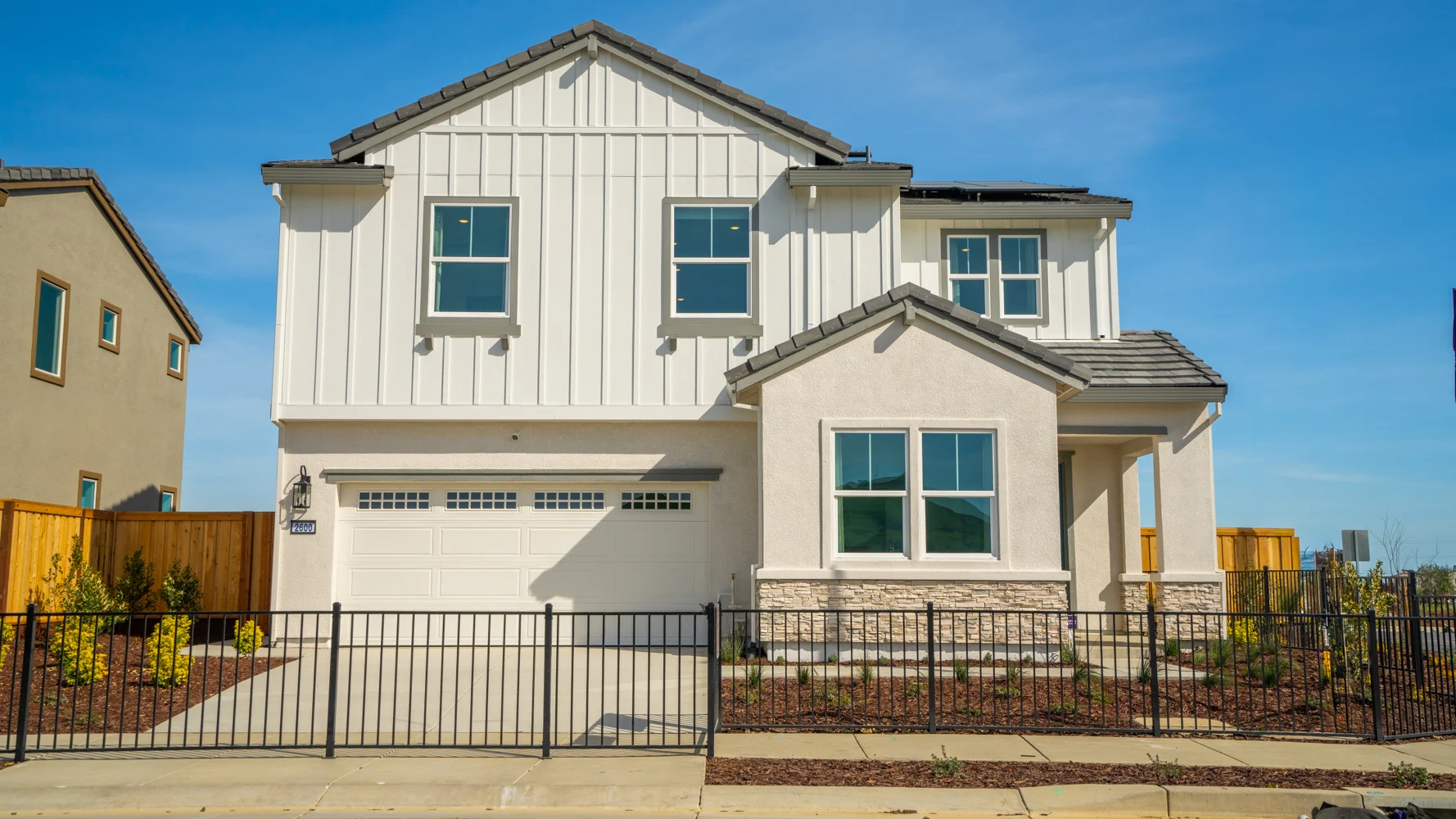
The rent-versus-mortgage decision is not just about math. It is also about lifestyle.
Renting may be a better fit if you want:
- Short-term flexibility
- Fewer maintenance responsibilities
- Lower upfront costs
- The ability to try out a neighborhood before committing
Buying may be a better fit if you want:
- Long-term stability
- More control over your home
- The opportunity to build equity
- Predictable principal and interest payments with a fixed-rate loan
- Space to grow, personalize and settle in
The right choice depends on your finances, goals and timeline.
When Does Buying a Home Make Sense?
Buying a home may make sense when you have steady income, manageable debt, savings for upfront costs and a clear sense of where you want to live. It may also make sense if your current rent is rising, you want more space or you are ready to invest in a long-term home.
However, buying should not be rushed. A mortgage is a major commitment, and homeownership comes with ongoing responsibilities. The goal is not simply to buy as soon as possible—it’s to buy when you are financially prepared and confident in your decision.
FAQ: Mortgage vs. Rent
Is it better to rent or buy a home?
It depends on your financial situation, lifestyle and long-term plans. Renting may be better if you need flexibility or are not ready for the costs of homeownership. Buying may be better if you want stability, control over your home and the opportunity to build equity.
Is rent cheaper than a mortgage?
Not always. In some markets, rent may be lower than a mortgage payment. In others, monthly rent and mortgage costs may be similar. A true comparison should include mortgage principal, interest, taxes, homeowners insurance, HOA dues, maintenance, and upfront costs.
Does paying rent build credit?
Rent payments do not automatically build credit unless they are reported to credit bureaus through a rent-reporting service. Mortgage payments, on the other hand, are typically reported to credit bureaus and can affect your credit history.
What is included in a mortgage payment?
A mortgage payment often includes principal and interest. Many homeowners also pay property taxes and homeowners insurance through escrow. Depending on the home, the total monthly cost may also include HOA dues, mortgage insurance or other fees.
Do I need 20% down to buy a home?
No. While a 20% down payment can help buyers avoid private mortgage insurance on many conventional loans, there are loan programs that may allow lower down payments for qualified buyers.
Why is home equity important?
Home equity is the difference between your home’s value and what you owe on your mortgage. As you pay down your loan or your home’s value changes, your equity may grow. Equity can be useful when selling, refinancing or planning for future financial goals.
What costs should renters consider before buying?
Potential buyers should plan for a down payment, closing costs, moving expenses, inspections, insurance, taxes, HOA dues, and ongoing maintenance. It is also smart to keep emergency savings available after buying.
Can rent increase every year?
Rent can increase at lease renewal, depending on the lease terms, landlord, local laws and market conditions. This is one reason some buyers prefer the predictability of a fixed-rate mortgage.


