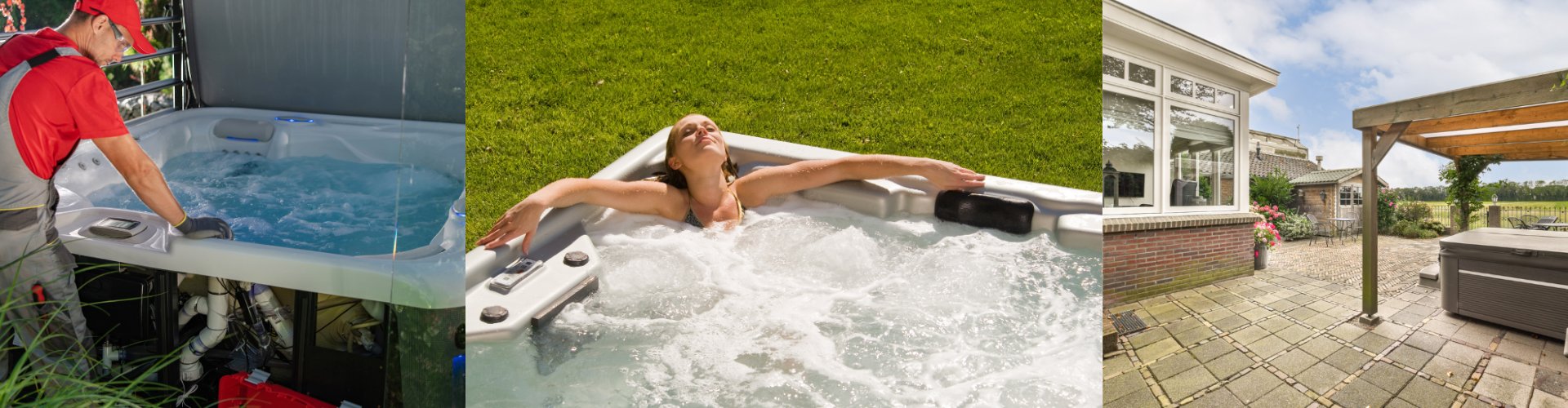
Adding an exterior hot tub is one of the most rewarding upgrades you can make to your new home, offering a place for relaxation, wellness, and year-round outdoor enjoyment.
Is there anything better than experiencing the luxury of a spa at home?
Whether you’re envisioning a peaceful backyard retreat or a social gathering spot, an outdoor hot tub can elevate your living space while potentially increasing your home’s appeal.
Before you dive in, there are a few essential considerations to keep in mind, from space and surface requirements to electrical usage, climate impact, and ongoing maintenance.
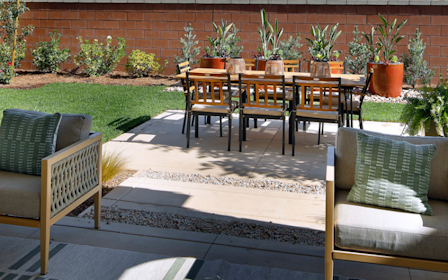
Century Communities homes don’t come with an exterior hot tub included, but with our spacious backyards and well-designed properties, it may be the perfect addition to your new home.
 Benefits of an Outdoor Hot Tub
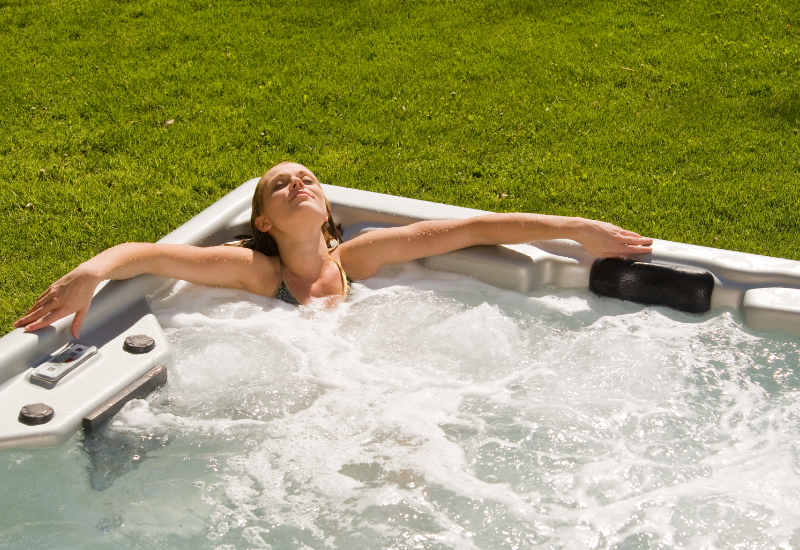
An exterior hot tub offers more than just a place to unwind. Many homeowners choose outdoor installations because they:
- Create a spa-like, resort-style experience at home.
- Encourage outdoor living throughout the year.
- Support muscle relaxation, stress relief, and recovery.
- Add visual interest and functionality to a backyard, patio, or deck.
With proper planning, an outdoor hot tub can feel like a natural extension of your home rather than an afterthought.
Space Considerations for an Exterior Hot Tub
One of the first decisions you’ll make is where to put your hot tub. Outdoor hot tubs vary widely in size and shape, typically seating between two and eight people.
Key spacing factors to consider:
- Footprint: Measure the hot tub dimensions plus extra room for steps, handrails, and the cover when it’s open.
- Service access: Most manufacturers require clear access to one or more sides for maintenance.
- Privacy: Landscaping, fencing, pergolas, or privacy screens can make the space feel more secluded.
- Distance from the house: Closer placement makes winter use easier and can reduce electrical installation costs
Always check local building codes and HOA rules, which may regulate placement, fencing, or visibility from neighboring properties.
Choosing the Right Surface for Your Hot Tub
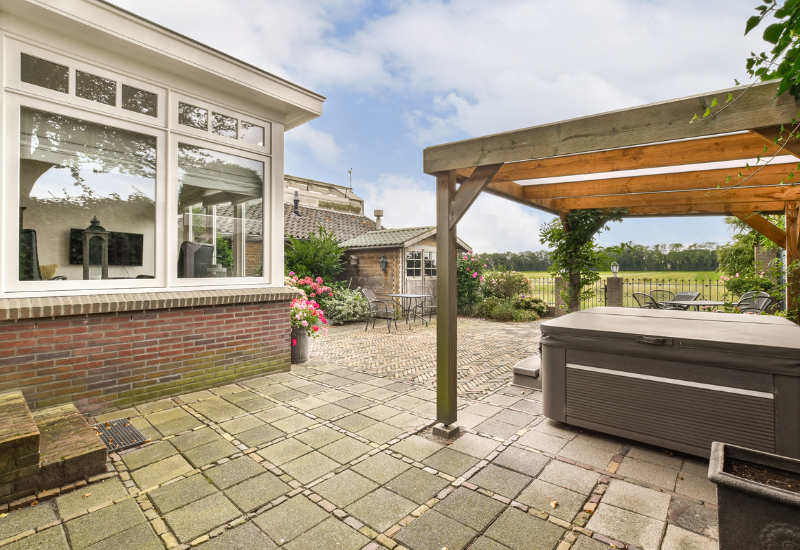
Because hot tubs are extremely heavy once filled, choosing the right base is critical for safety and longevity.
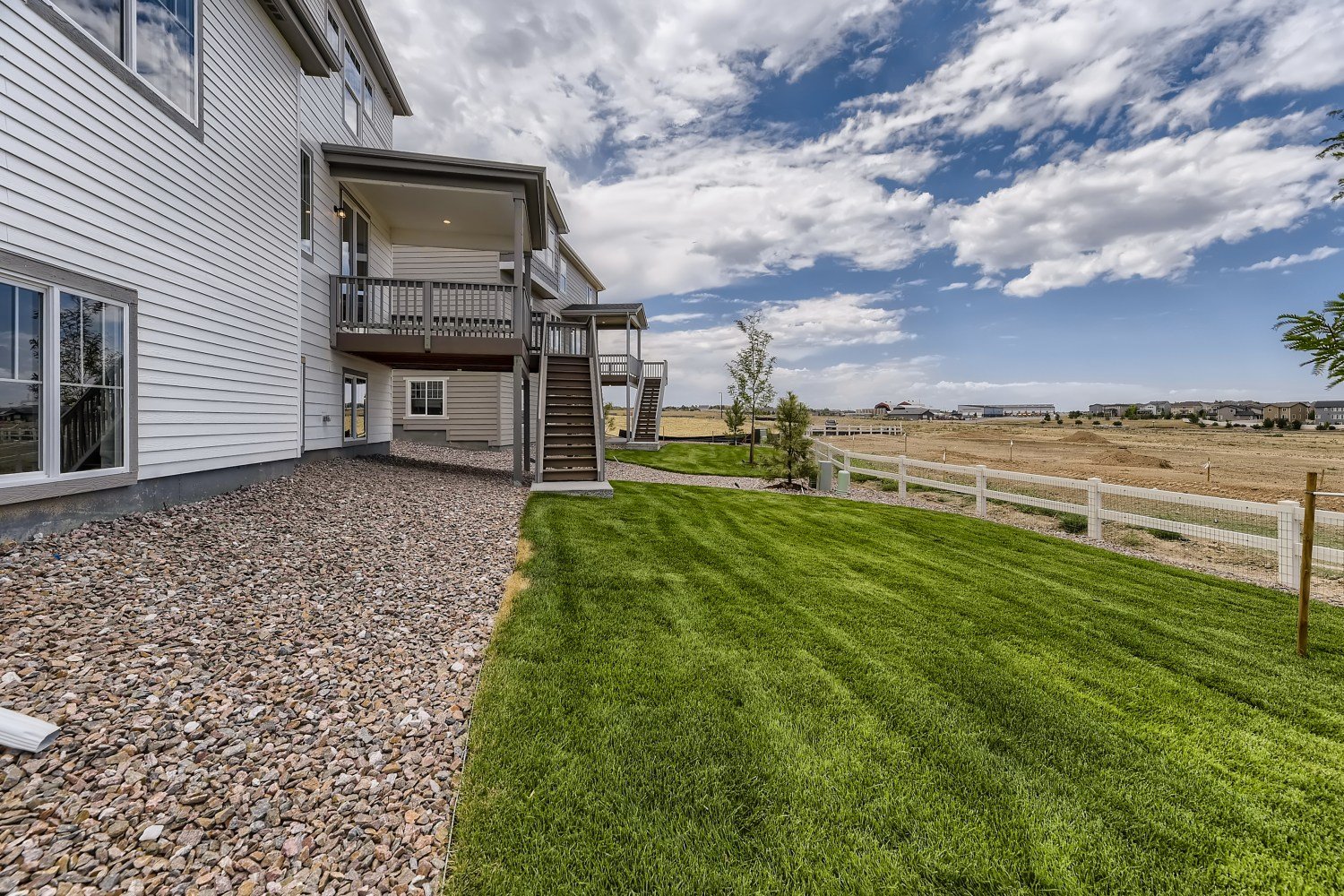 Common surface options include:
- Concrete slab: The most durable and widely recommended option
- Reinforced patio: Works if the patio is level and structurally sound
- Deck installation: Must be engineered to support the full weight of the tub, water, and occupants
- Paver base: Requires proper compaction and a solid foundation
Placing a hot tub on grass, gravel, or bare soil is not recommended, as shifting and settling can damage the tub over time.
 Understanding Electrical Usage and Requirements
Electrical planning should happen early in the process, as it can impact both cost and placement.
What to know about electrical needs:
- Dedicated circuit: Most exterior hot tubs require a 220–240V GFCI-protected circuit
- Professional installation: A licensed electrician is typically required to meet safety codes
- Energy usage: Power consumption varies based on tub size, insulation quality, climate, and usage frequency
- Monthly costs: Heating water is the largest energy draw, especially in colder regions
Choosing an energy-efficient model with quality insulation and a well-fitted cover can significantly reduce operating costs.
Weather, Climate, and Maintenance Considerations
Because an exterior hot tub is exposed to the elements year-round, climate and maintenance require extra attention when planning your setup.
Cold climates
In colder regions, hot tubs are often used year-round—but they need the right features:
- High-quality insulation helps retain heat and reduce energy costs.
- Freeze protection systems prevent pipes from freezing during extreme cold.
- Proximity to the house minimizes exposure when entering or exiting in winter.
- Snow management is important. Covers should be cleaned regularly to remove standing water and prevent damage.
- Monitor open spaces. You know who also loves warm spaces in the winter? Critters. Be sure to eliminate open spaces around or beneath the hot tub where your furry neighbors can create their own living spaces.
Hot or humid climates
In warmer areas, heat and moisture present their own challenges.
- Ventilation helps prevent mildew or odors under covers.
- Shade structures like pergolas or umbrellas can make summer use more comfortable.
- Water balance may require more frequent monitoring due to evaporation.
Rain, wind, and debris
Outdoor hot tubs are constantly exposed to the environment:
- Durable, locking covers protect against rain, leaves, pollen, and debris.
- Proper drainage prevents water from pooling around the base or electrical components.
- Wind protection (walls, fencing, or landscaping) can improve comfort and reduce heat loss.
 Routine maintenance
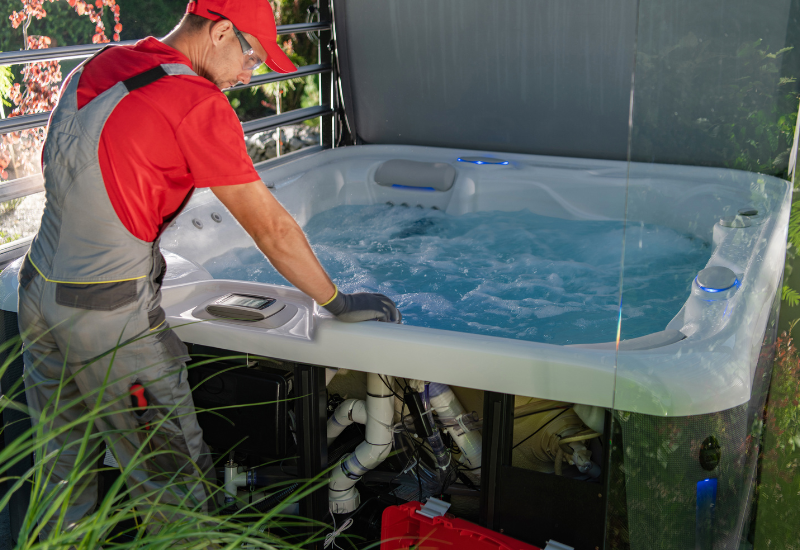
Regular care keeps your hot tub safe, clean, and efficient.
- Test and balance water chemistry weekly.
- Clean or replace filters as recommended by the manufacturer.
- Drain and refill the tub every few months, depending on usage.
- Inspect covers, seals, and components for wear.
Planning for easy access to water and storage for chemicals can make routine maintenance much more manageable.
Potential Drawbacks of Adding an Exterior Hot Tub
While the benefits of an exterior hot tub are appealing, there are a few considerations worth keeping in mind before moving forward. Understanding these potential drawbacks can help you decide whether a hot tub truly fits your lifestyle, budget, and long-term plans.
Upfront and Ongoing Costs
Hot tubs represent both an initial investment and an ongoing expense. In addition to the purchase price, homeowners should budget for:
- Electrical installation and potential panel upgrades
- Site preparation, such as concrete pads or deck reinforcement
- Monthly electricity usage, especially in colder climates
- Water, chemicals, and replacement filters
While energy-efficient models help reduce costs, a hot tub is not a zero-maintenance feature.
Maintenance Commitment
Regular upkeep is essential to keep a hot tub clean, safe, and functional. Some homeowners underestimate the time involved in:
- Testing and balancing water chemistry
- Cleaning filters and surfaces
- Draining and refilling the tub periodically
- Winterizing or monitoring freeze protection in cold weather
For those who prefer low-maintenance outdoor features, this ongoing responsibility may feel like a drawback.
Space and Layout Limitations
A hot tub takes up more room than many homeowners initially expect. Once steps, cover clearance, and service access are factored in, it can limit:
- Yard or patio flexibility
- Furniture placement
- Future landscaping or outdoor projects
In smaller yards, a hot tub may dominate the outdoor space rather than complement it.
Privacy and Noise Concerns
Outdoor hot tubs can introduce privacy and sound considerations:
- Jets and pumps create ambient noise.
- Conversations may carry, especially at night.
- Nearby neighbors or shared fencing can reduce privacy.
Strategic placement, fencing, or landscaping can help mitigate these issues, but they should be considered early in the planning process.
Resale Considerations
While some buyers view a hot tub as a bonus, others may see it as an added responsibility or maintenance concern. In some cases:
- A hot tub may not significantly increase resale value.
- Buyers may request removal during negotiations.
- Poorly maintained tubs can negatively impact first impressions.
Keeping your hot tub well-maintained and thoughtfully integrated into the outdoor space helps preserve its appeal.
Safety Considerations
Hot tubs require mindful use, especially in households with children or frequent guests. Safety factors include:
- Locking covers when not in use
- Slip-resistant steps and surrounding surfaces
- Clear household rules for use
These precautions add peace of mind and are an important part of ownership.
Is an Exterior Hot Tub Right for Your Home?
An exterior hot tub can be a fantastic addition for homeowners who enjoy outdoor living, entertaining, or relaxation. By thoughtfully planning for space, selecting a stable surface, understanding electrical needs, and preparing for climate-related maintenance, you can avoid surprises and enjoy long-term comfort and performance.
With the right setup, your backyard hot tub can become a favorite year-round retreat.
Frequently Asked Questions About Exterior Hot Tubs
Do I need a permit to install an outdoor hot tub?
Permit requirements vary by location. Many areas require permits for electrical work, concrete pads, or deck reinforcement. Always check with your local municipality before installation.
Can I place a hot tub on an existing deck?
Yes, but only if the deck is properly reinforced and rated to support the weight of the hot tub when filled. A structural engineer or contractor should evaluate the deck first.
How much does it cost to run an exterior hot tub?
Monthly operating costs vary based on climate, insulation, energy efficiency, and usage, but many homeowners spend between $20 and $50 per month on electricity.
Are outdoor hot tubs safe to use in winter?
Yes. When properly installed and maintained, insulated tubs with freeze protection are designed for winter use, even in cold climates.
How long do outdoor hot tubs last?
With proper maintenance, a quality hot tub can last 10 to 15 years or more, especially when protected from the elements with a durable cover.