Homeowners increasingly seek ways to conserve water, reduce maintenance expenses, and create outdoor spaces that are well suited to their local climate.
As a result, xeriscaping has emerged as a popular and practical solution. Xeriscaping promotes water conservation while maintaining visual appeal, offering an environmentally responsible alternative to traditional lawns. This approach is particularly valuable in regions where water conservation is a priority.
The following sections examine the principles of xeriscaping, the reasons homeowners choose it, the environments in which it is most effective, the level of difficulty involved in implementation, and guidance on selecting appropriate plants and materials to successfully execute a xeriscape design.
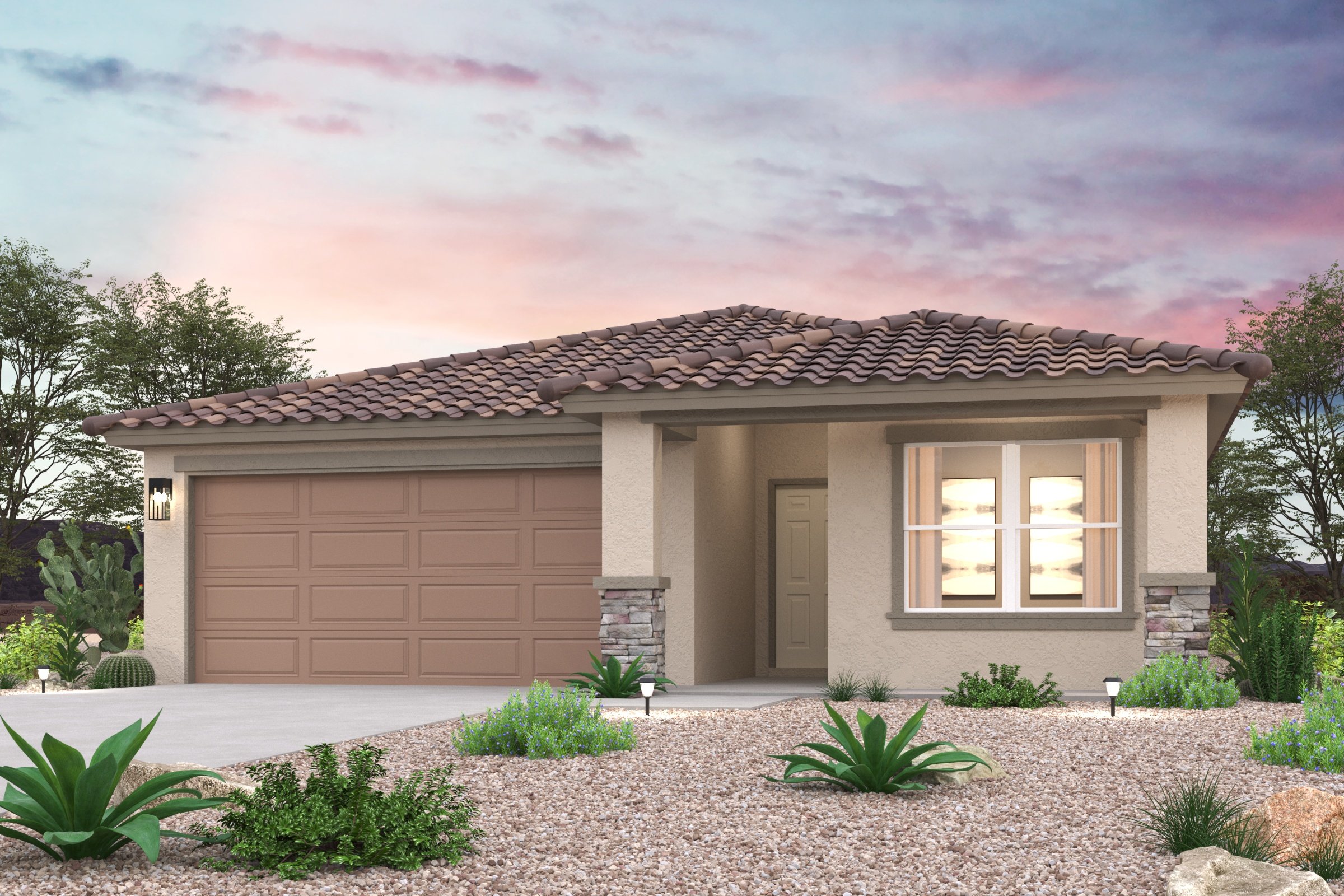 What Is Xeriscaping?
Xeriscaping is a landscaping method focused on water efficiency through the use of drought-tolerant plants, efficient irrigation systems, and intentional design practices. The term is derived from the Greek word xeros, meaning “dry”, and translates to an approach that works in harmony with the natural climate.
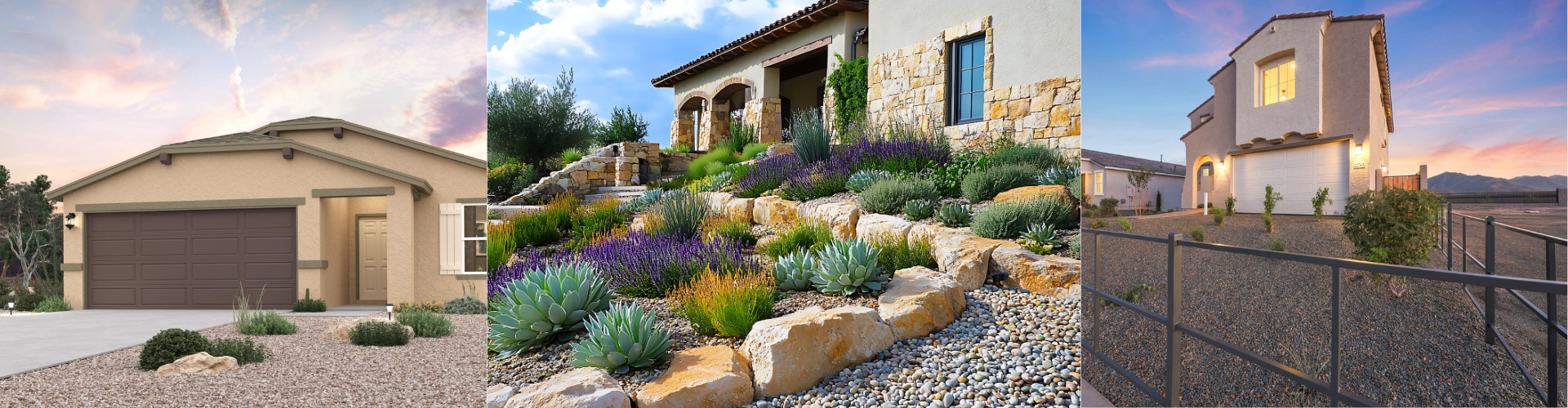
Contrary to common misconceptions, xeriscaping does not result in landscapes composed solely of rocks or cacti. Instead, this method emphasizes careful plant selection, soil enhancement, mulching, and strategic layout, to create outdoor spaces that are both aesthetically pleasing and environmentally sustainable.
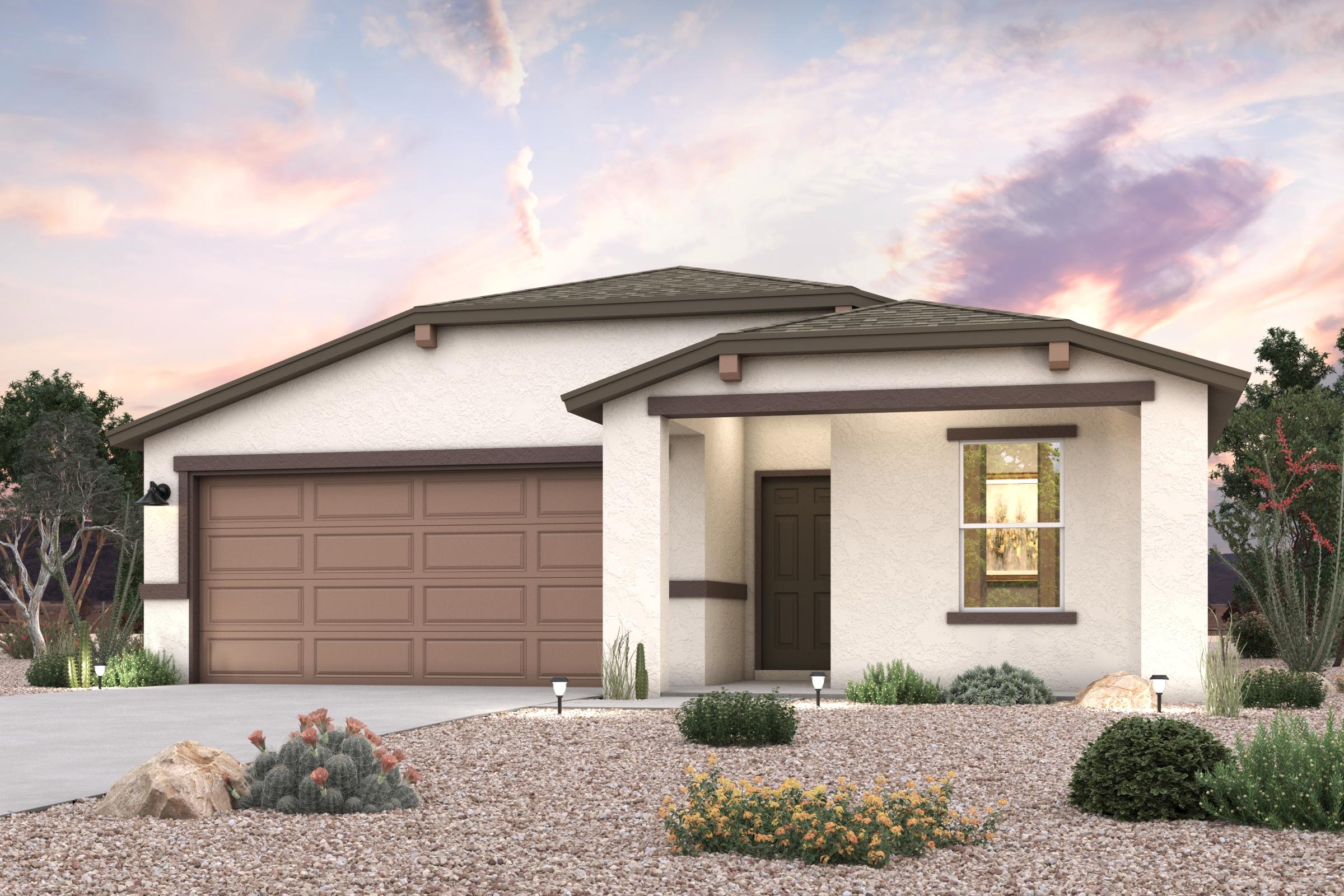 Why Homeowners Choose Xeriscaping
Several factors contribute to the growing popularity of xeriscaping among homeowners.
Reduced Water Usage
Xeriscaped landscapes can require up to 50–75% less water than traditional turf lawns, making a substantial impact in regions affected by drought or water restrictions.
Lower Maintenance Requirements
With fewer water-dependent plants and reduced lawn areas, xeriscaping typically demands less ongoing care than a grass lawn. Homeowners benefit from spending less time mowing, watering, fertilizing, and performing general yard maintenance.
Cost Savings
Lower water consumption, reduced maintenance needs, and fewer plant replacements often translate to long-term financial savings.
Environmental Benefits
By incorporating native or climate-adapted plants, xeriscaping supports local ecosystems, reduces runoff, and minimizes reliance on chemical fertilizers and pesticides.
Year-Round Visual Interest
Well-designed xeriscaped landscapes can provide texture, structure, and color throughout the year, often featuring seasonal blooms alongside evergreen elements.
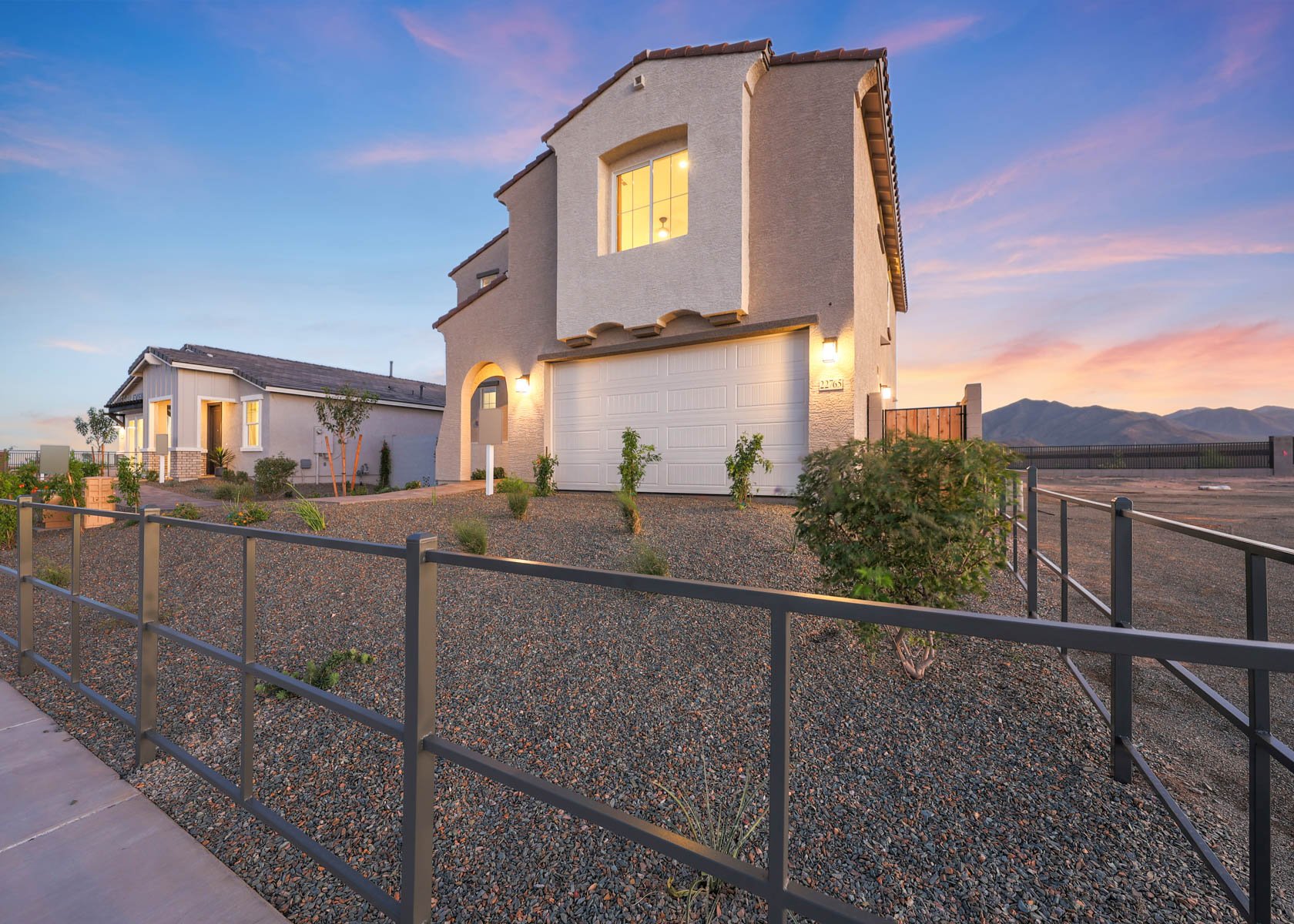 Where Xeriscaping Works Best
Xeriscaping is most commonly utilized in arid and semi-arid climates, but its principles can be successfully applied in many regions.
Ideal settings include:
- Desert and drought-prone areas, such as the Southwestern United States
- Regions with seasonal water restrictions
- Communities prioritizing sustainable development
- Sloped properties where water runoff presents challenges
Although particularly effective in dry climates, xeriscaping is not limited to these regions. Areas with moderate rainfall can also benefit from water-efficient landscaping, especially during hot summers or dry seasons.
All You Need to Know About Xeriscaping
Easier Do-It-Yourself Experience
Limited projects, such as replacing a portion of a lawn or redesigning a front yard, are well within reach for homeowners with basic gardening experience. Plus, many drought-tolerant plants are resilient and require minimal care once established.
The Importance of Planning
Thorough planning is essential to successful xeriscaping. Evaluating sun exposure, soil composition, and water flow prior to planting significantly increases the likelihood of a healthy and sustainable landscape.
Larger or Full-Yard Conversions
More extensive projects involving grading, irrigation modifications, or complex layouts may benefit from professional expertise. Landscape designers with xeriscaping experience can help ensure proper drainage and long-term performance.
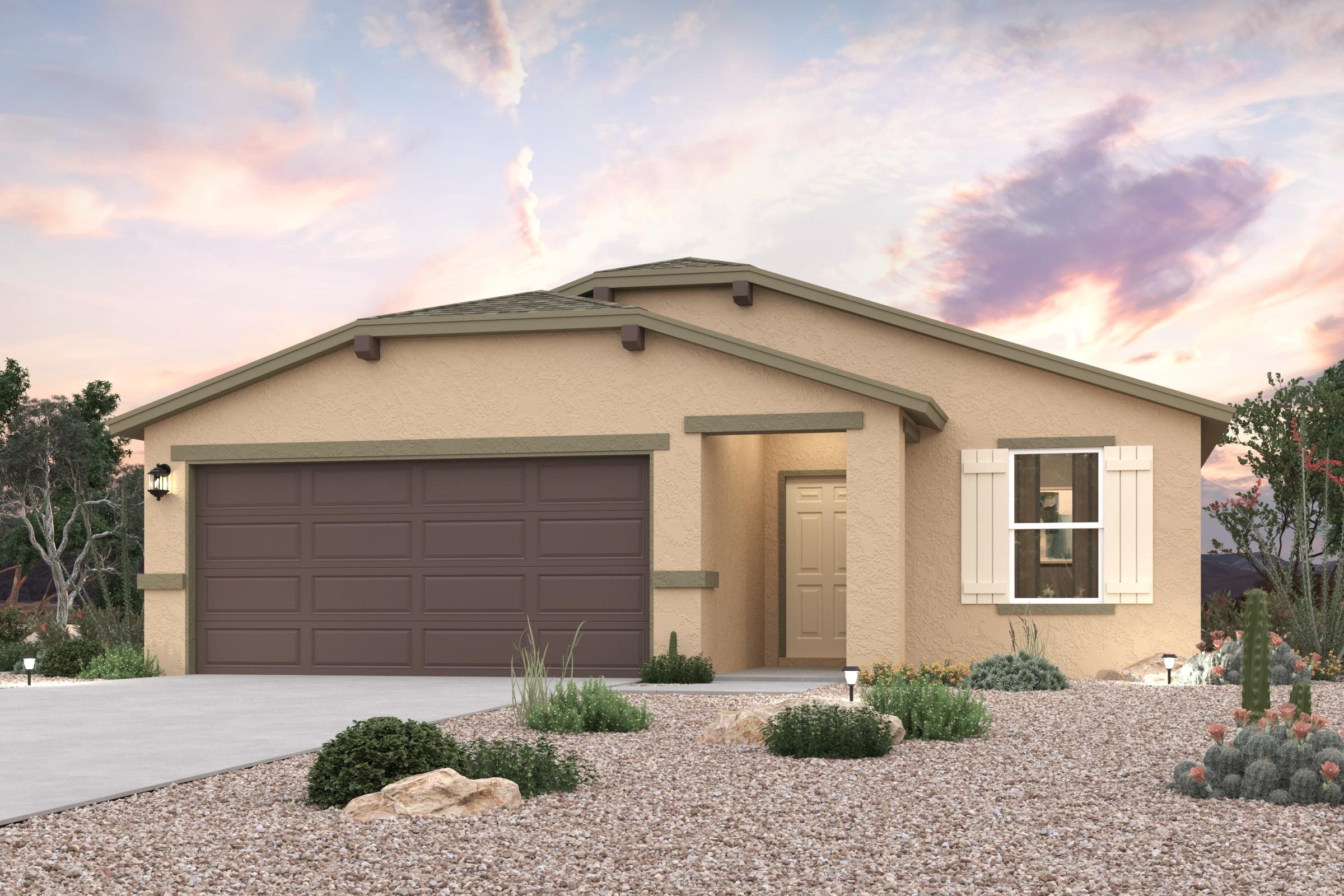 Selecting Plants and Materials for Xeriscaping
Careful selection of plants and materials is critical to achieving effective and attractive xeriscaped landscapes.
Native and Drought-Tolerant Plants
Native plants are naturally adapted to local environmental conditions and generally require less water and maintenance. Local plant nurseries can often provide recommended plant lists.
Local Plant Nurseries and Garden Centers
Local suppliers typically offer plants proven to perform well in the heat, and can provide valuable guidance on spacing, sunlight requirements, and watering practices.
Strategic Use of Mulch
Mulch, including bark, gravel, or decorative stone, helps retain soil moisture, regulate temperature, and suppress weeds. Organic mulches also contribute to improved soil health over time.
Efficient Irrigation Systems
Drip irrigation systems and soaker hoses are particularly effective for xeriscaped landscapes, as they deliver water directly to plant roots while minimizing evaporation and waste.
Community Resources
Many municipalities and water districts offer xeriscaping guides, rebates, or free consultations. These resources can be highly beneficial during the planning and implementation stages.
Xeriscaping Maintenance Expectations
While xeriscaped landscapes are not maintenance-free, they require significantly less effort than traditional lawns..
Ongoing Maintenance
Established xeriscaped yards typically need only occasional deep watering. Routine checks of irrigation systems ensure proper operation, and minor adjustments during periods of extreme heat or drought help maintain plant health. Weed control is minimal but may be necessary during the first year as plants become established.
Seasonal and Annual Care
Seasonal pruning, mulch replenishment, and irrigation system inspections help maintain appearance and efficiency. Organic mulch may need annual replacement, while stone mulch may require periodic leveling or cleaning.
Long-Term Adjustments
Over time, plants may require thinning, relocation, or replacement as the landscape matures. Hardscape elements such as pathways and decorative stone may also need occasional maintenance to preserve a polished appearance.
Is Xeriscaping the Right Choice for Your Home?
Xeriscaping is an excellent option for homeowners seeking a balance between sustainability, functionality, and visual appeal. Whether designing a new landscape or updating an existing one, incorporating xeriscaping principles can result in a yard that is both efficient and enduring.
With careful planning, appropriate plant selection, and thoughtful design, xeriscaping provides lasting benefits for homeowners and the environment alike.
Frequently Asked Questions About Xeriscaping
Does xeriscaping eliminate grass entirely?
No. Xeriscaping does not require the complete removal of grass. Many homeowners reduce lawn areas while incorporating drought-tolerant turf or limited grassy spaces for specific uses.
Is xeriscaping an expensive process?
Installation costs vary based on project size and material choices. While initial costs may be comparable to traditional landscaping, long-term savings are often realized through reduced water use and maintenance.
How long does it take for a xeriscaped landscape to become established?
Most xeriscaped yards require one to two growing seasons to become fully established. During this period, plants may need additional watering, which typically decreases in need once establishment is complete.
Can xeriscaping be used in non-arid climates?
Yes. Xeriscaping principles are adaptable to many climates, including those with moderate rainfall, and can help manage seasonal droughts and reduce overall water consumption.
What types of plants are commonly used in xeriscaping?
Xeriscaping often includes native plants, ornamental grasses, flowering perennials, succulents, and drought-tolerant shrubs, selected based on local conditions.
Do xeriscaped landscapes still require irrigation?
Sometimes, though significantly less than traditional landscapes. Drip irrigation and soaker hoses are commonly used to deliver water efficiently.
Is xeriscaping environmentally beneficial?
Yes. Xeriscaping may conserve water, reduce runoff, require less chemical support, improve soil health, and support local ecosystems, in comparison to a traditional grass lawn.