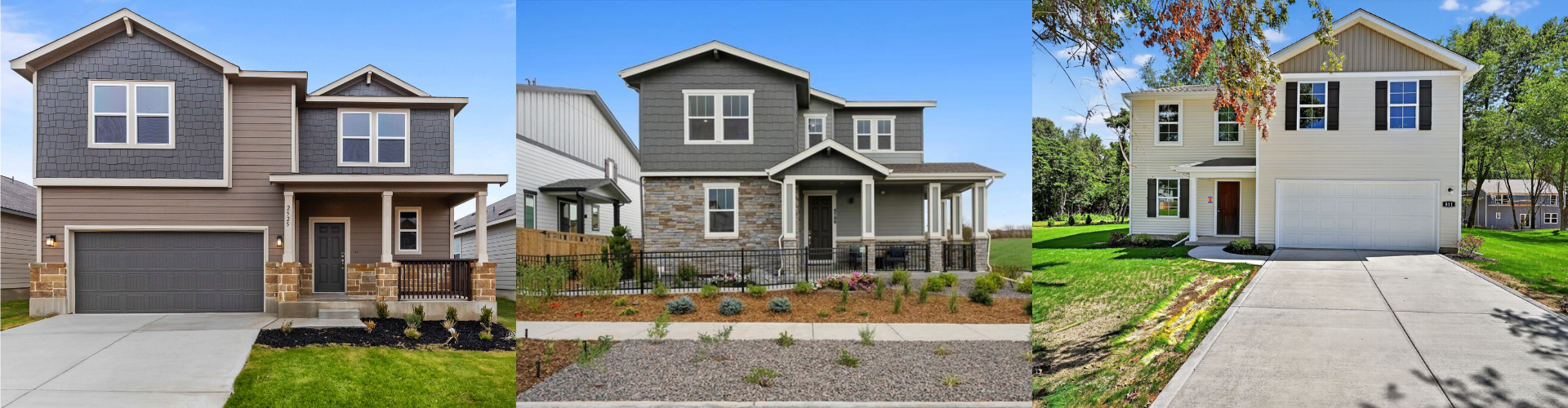
If you’re starting your homebuying journey, you’ve likely come across the term "single-family home". While it may sound straightforward, the classification carries important implications—from zoning and ownership rights to financing options and long-term value.
In this guide, we’ll break down exactly what a single-family home is, why the definition matters, and how it compares to other types of homes—so you can make a confident, informed decision.
What Is a Single-Family Home?
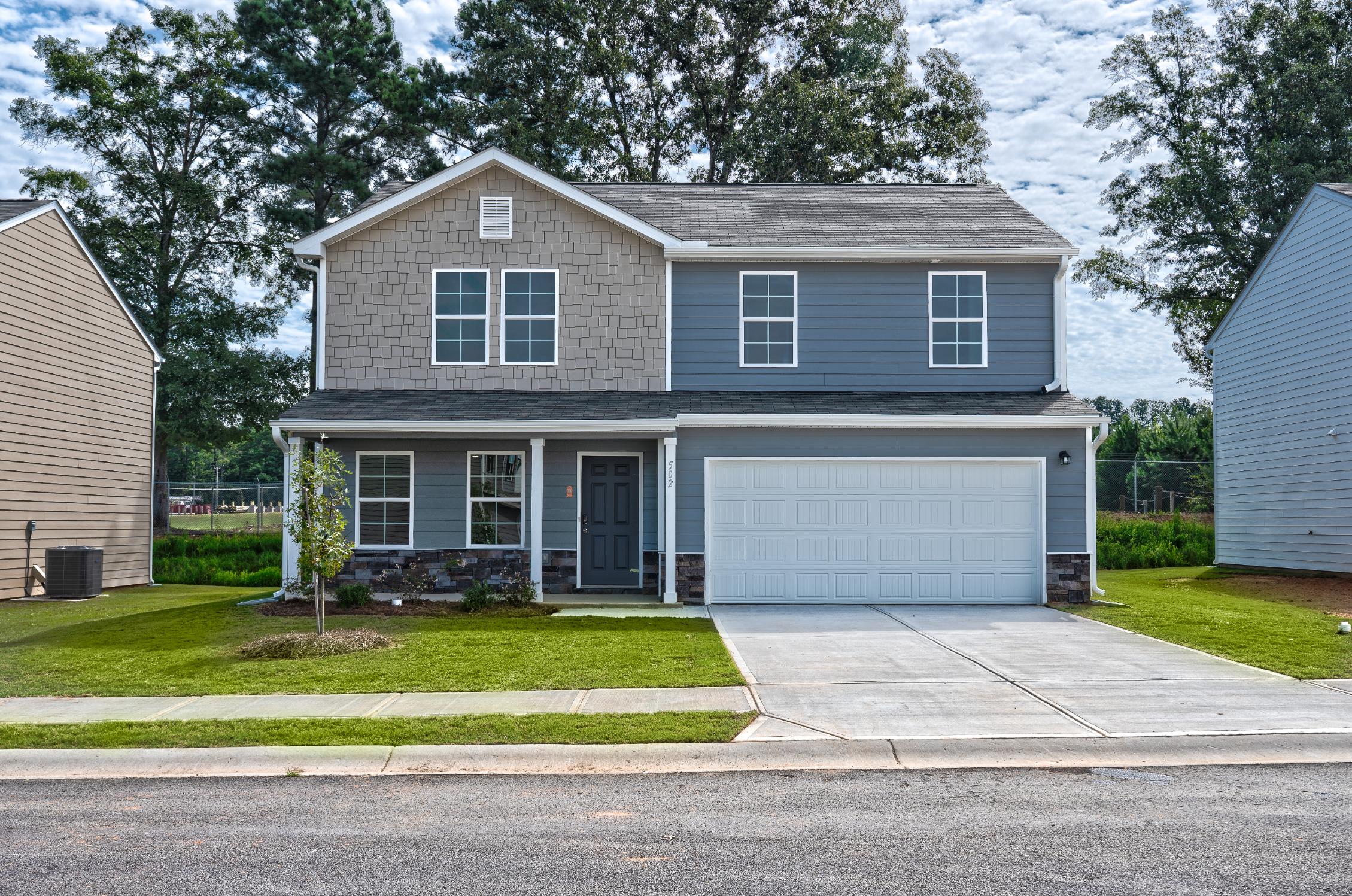 A single-family home is a standalone residential structure. It is not physically connected to another dwelling and typically sits on its own parcel of land.
To qualify as a single-family home, a property generally meets these criteria:
- Detached structure (no shared walls with other homes)
- Private entrance and utilities (no shared systems like HVAC or plumbing)
- Located on its own lot
- Intended for one household
This definition is widely used by real estate professionals, lenders, and local governments—but its implications go far beyond just physical structure.
Why the Definition Matters
Understanding whether a home is classified as single-family is more important than it may seem. This designation affects:
1. Ownership Rights
Single-family homes typically offer full ownership of both the structure and the land they sit on. That may mean (subject to applicable zoning, HOA rules, and recorded restrictions):
- Greater control over the property
- No shared responsibilities with neighbors
- More flexibility for renovations and improvements
2. Property Value & Resale
Single-family homes are often in high demand due to their privacy and space, which can contribute to:
- May offer strong resale potential
- May offer more stable long-term value
3. Lifestyle Considerations
Buyers often choose single-family homes for:
- More indoor and outdoor space
- Increased privacy
- Less noise compared to attached housing
How Cities and Counties Define Single-Family Homes
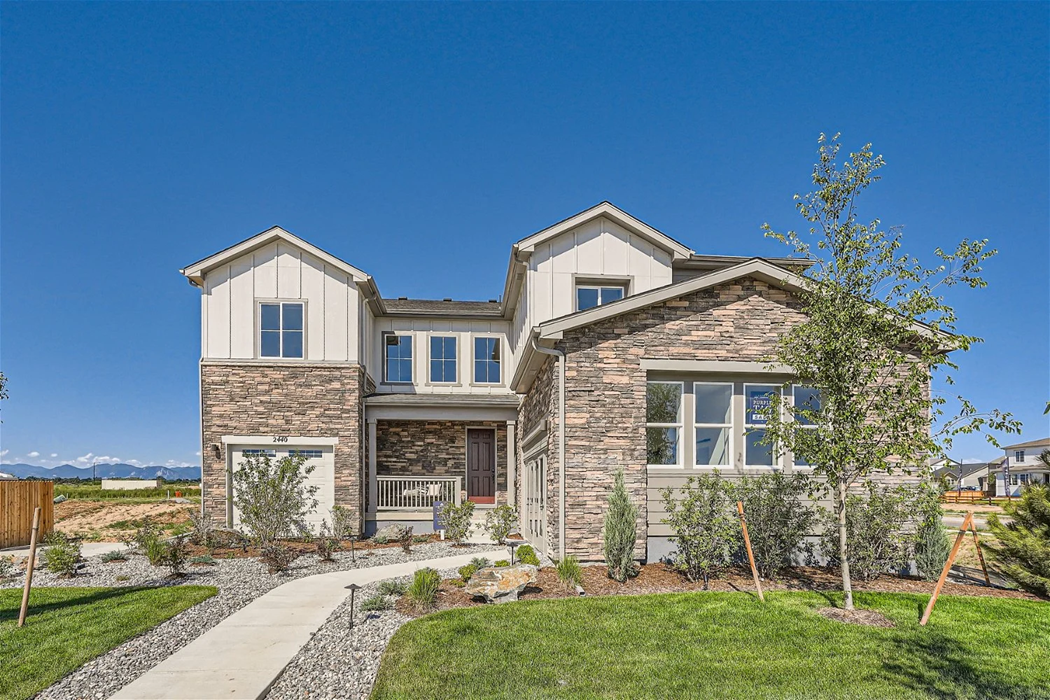
Local governments use the term single-family home in zoning and land-use regulations. This classification determines how a property can be used.
Zoning Implications
In many municipalities, single-family zoning means:
- Only one residential unit is allowed per lot
- Restrictions on subdividing the property
- Limitations on multi-unit rentals or commercial use
Some areas also regulate:
- Accessory dwelling units (ADUs)
- Short-term rentals (like Airbnb)
- Home-based businesses
Why This Matters for Buyers
Zoning rules can impact how you use your home long-term. For example:
- Want to add a guest house or rental unit? Check local ADU regulations
- Planning to rent out part of your home? Zoning may limit this
- Considering future expansion? Lot size and setbacks matter
Understanding local definitions ensures there are no surprises after you buy.
What It Means for Home Loan Options
The classification of a home directly impacts your financing options. Lenders typically treat single-family homes as lower-risk investments compared to multi-unit or specialized properties.
Common Loan Options for Single-Family Homes
Buyers purchasing a single-family home may in some cases qualify for:
- Conventional loans (often with competitive rates)
- FHA loans (popular for first-time buyers with lower down payments)
- VA loans (for eligible military borrowers)
- USDA loans (for qualifying rural and suburban areas)
Why Lenders May Prefer Single-Family Homes
Single-family homes may be:
- Easier to appraise
- More liquid in the resale market
- Less complex than multi-unit properties
Because of this, they often come with:
- Lower down payment requirements
- Better interest rates
- Fewer underwriting complications
How Single-Family Homes Compare to Other Property Types
Understanding the differences between property types can help you choose the best fit for your needs.
Single-Family Homes vs. Townhomes
- Single-family: Detached, private lot, no shared walls
- Townhome: Attached units with shared walls, often smaller lots
Single-Family Homes vs. Condos
- Single-family: You own the home and land
- Condo: You own the interior unit, but share ownership of common areas
Single-Family Homes vs. Multi-Family Homes
- Single-family: Designed for one household
- Multi-family: Contains multiple units (duplex, triplex, etc.)
Key Takeaway
Single-family homes offer the most independence and space, while other property types may offer lower upfront costs or reduced maintenance responsibilities.
Is a Single-Family Home Right for You?
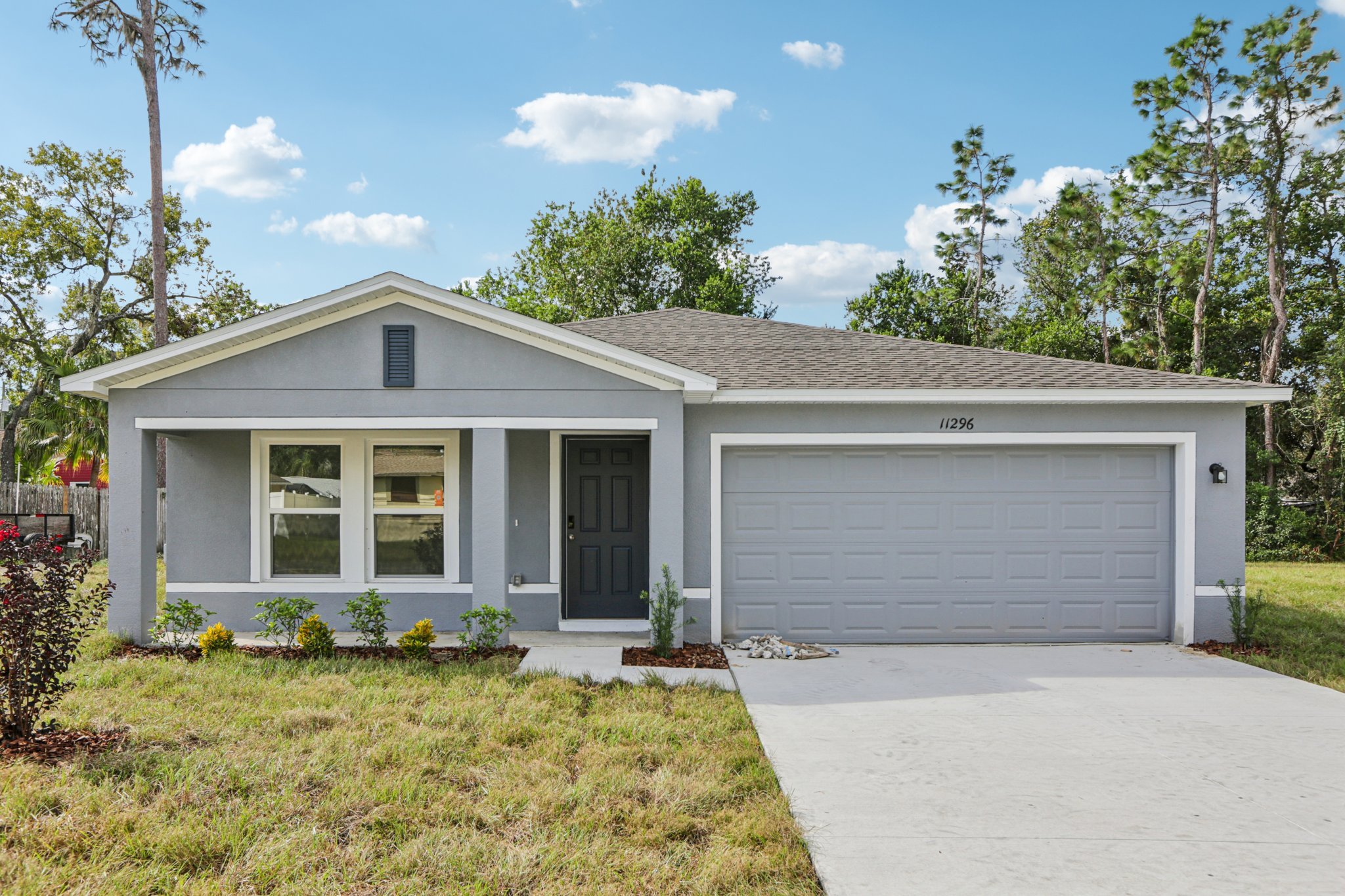 A single-family home could be a great fit if you’re looking for:
- More space for family, work, or hobbies
- Greater privacy and no shared walls
- Long-term investment potential
- More control over your home and property
However, it’s also important to consider:
- Potentially higher purchase price
- More maintenance responsibility
- Property taxes and insurance costs
Balancing these factors can help you determine whether this type of home aligns with your goals.
FAQs About Single-Family Homes
What qualifies as a single-family home?
A single-family home is a detached residence designed for one household, with its own utilities, entrance, and land.
Is a townhouse considered a single-family home?
No. Townhomes are attached properties that share walls with neighboring units, so they are typically classified differently.
Do single-family homes have HOAs?
Some do, especially in planned communities. However, many single-family homes have no HOA at all.
Are single-family homes more expensive?
They often have higher purchase prices than condos or townhomes, but they may offer more space and long-term value.
Can you rent out a single-family home?
In many cases, yes—but local zoning laws and HOA rules may place restrictions on rentals.