If you’re shopping for a new place to live, you might come across the term paired home. It’s a style of housing that’s becoming more common, especially in newer communities, because it offers many of the perks of a single-family home at a more affordable price. Here’s a straightforward look at what paired homes are, how they compare to other home types, and who they’re best suited for.
 What Is a Paired Home?
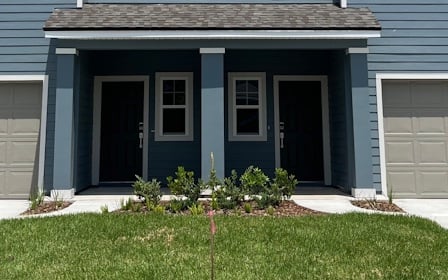
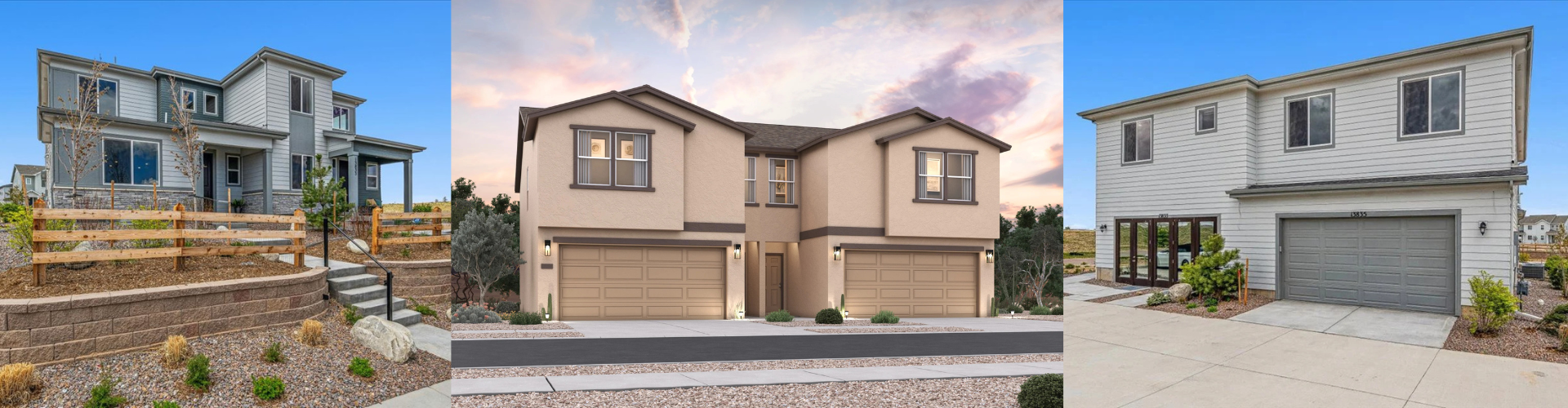
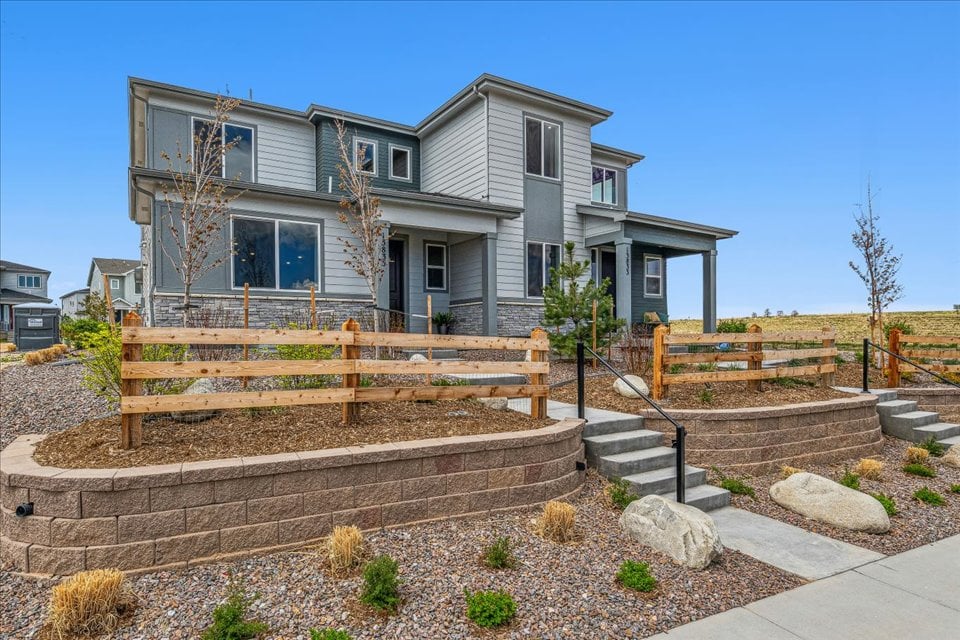
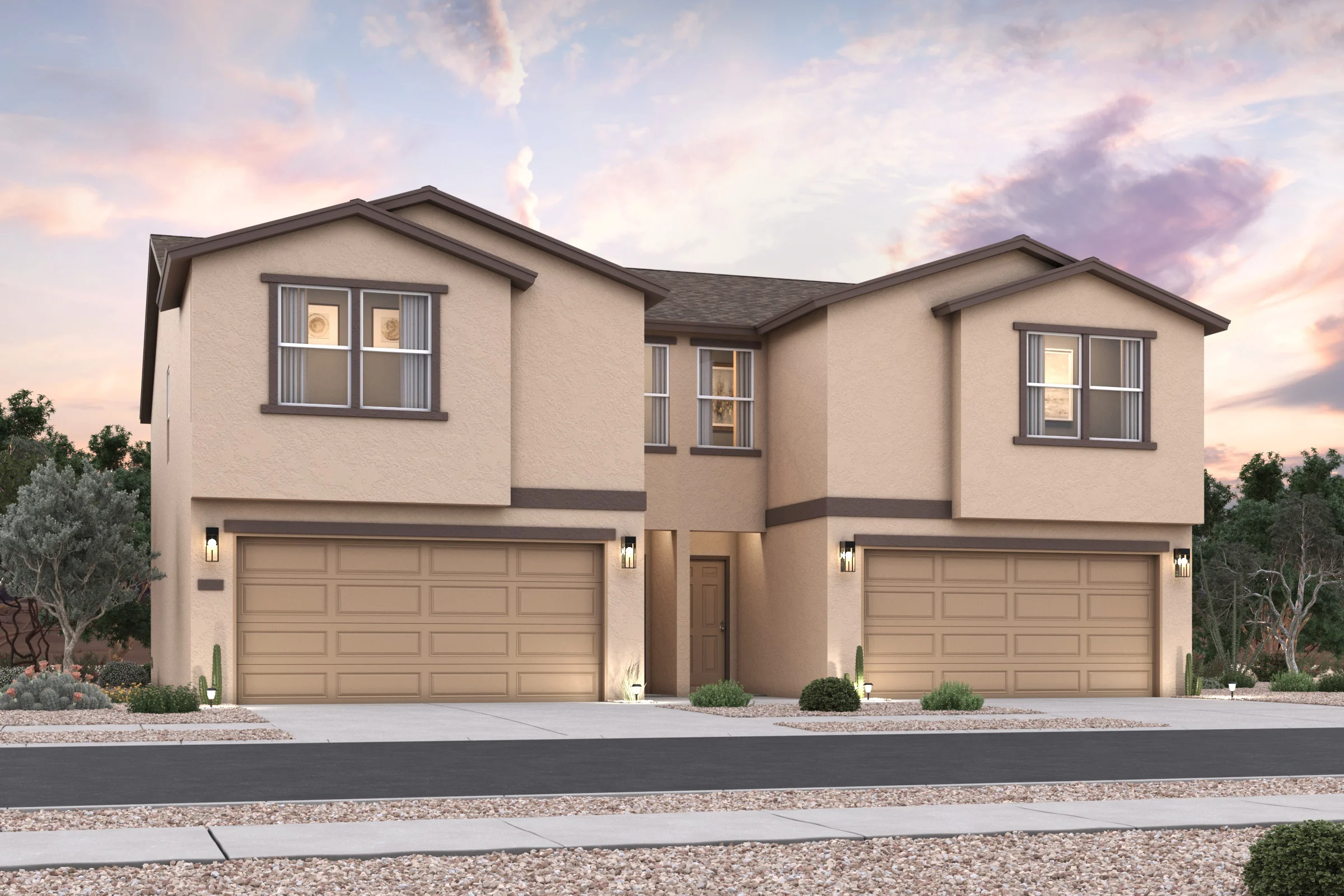
A paired home is a building that contains two separate homes positioned side by side. The two homes share one wall, but each has its own:
- Private entrance
- Roofline
- Utilities
- Garage
- Yard or outdoor space
From the street, paired homes often look like two individual houses rather than a traditional duplex.
Key Features of a Paired Home
- Only one shared wall
- Separate entrances and private living areas
- Individual garages (often attached)
- Private yards or outdoor spaces
- No neighbors above or below you
Many buyers like paired homes because they offer a blend of privacy, space, and affordability.
 How Paired Homes Compare to Other Home Types
Paired Home vs. Single-Family Home
Single-family homes are fully detached, while paired homes share one wall.
Main differences:
- Paired homes are usually more affordable.
- Single-family homes often sit on larger lots.
- Both offer privacy, but paired homes come with a lower price tag.
If you want the feel of a standalone home but don’t mind sharing one wall, a paired home can be a great option.
Paired Home vs. Townhome
Townhomes are often built in rows and may share walls with multiple neighbors.
Main differences:
- Paired homes share only one wall.
- Paired homes often have private yards.
- Townhomes may have more HOA involvement and less outdoor space.
Paired Home vs. Duplex
A duplex is usually one building with two units, often used as rental property.
Main differences:
- Paired homes are usually designed for homeowners, not renters
- Each paired home has its own utilities and entrance
- Paired homes look more like two separate houses
Modern paired homes are built with long-term residents in mind.
Paired Home vs. Condo
Condos involve shared buildings and common areas managed by an HOA.
Main differences:
- Paired homes have private entrances and garages
- Condos often have shared hallways and amenities
- Paired homes feel more like traditional houses
If you want independence without the full responsibility of a large property, a paired home can be a nice middle ground.
Benefits of a Paired Home
- More affordable than fully detached homes
- Efficient use of space in desirable areas
- Lower exterior maintenance in some communities
- More privacy than condos or townhomes
- Great for first-time buyers, downsizers, or growing families
 Is a Paired Home Right for You?
A paired home might be a good fit if you want:
- A private home feel without the cost of a large lot
- Fewer shared walls than a townhome or condo
- A balance of independence and community living
They’re especially popular in new-build neighborhoods where modern construction helps reduce noise and maximize comfort.
Final Thoughts
Paired homes offer a unique mix of privacy, affordability, and modern design. If you want a home that feels like a single-family residence—without the higher price or maintenance—a paired home could be a great match. As you explore your options, compare layouts, community features, and long-term value to find the best fit for your lifestyle.
Frequently Asked Questions
Are paired homes the same as duplexes?
No. While both involve two homes in one structure, paired homes are typically sold as separate residences with their own entrances, utilities, and ownership.
Do paired homes have HOAs?
Some do, some don’t. When they exist, HOAs may cover landscaping, roofing, shared driveways, or community amenities.
Are paired homes quieter than townhomes?
Often, yes. With only one shared wall and modern soundproofing, they tend to offer more privacy.
Do paired homes appreciate in value?
Like any home, appreciation depends on location, market trends, and upkeep. In desirable areas, paired homes can appreciate similarly to single-family homes.
Are paired homes good for first-time buyers?
Absolutely. They’re affordable, manageable in size, and often low-maintenance.
Why are paired homes built?
Paired homes are made to balance affordability, livability, and efficient land use, as well as meeting the needs of both homebuyers and communities as housing demands evolve. Here are the primary reasons builders and planners choose to develop paired homes:
- To make homeownership more attainable
- To use land more efficiently
- To preserve the look and feel of single-family neighborhoods
- To offer a middle ground between home types
- To reduce maintenance and operating costs
- To support growing housing demand
- To adapt to modern lifestyles