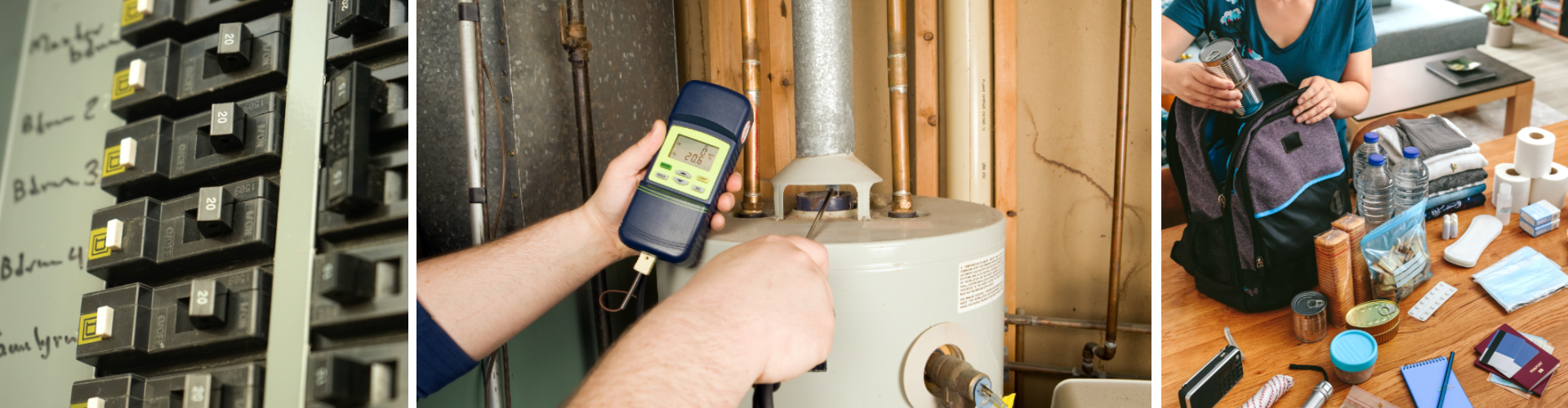
Buying a new home is exciting, but if you’ve never owned your own home before, there are a few essential safety details every homeowner should understand. From knowing where your water shutoff valve is to understanding the basics of your breaker box, this information can make a major difference during an emergency, and will also be handy when it comes time for home maintenance or repairs.
Whether you’re a first-time homeowner or just moving into a new space, use this home safety checklist to get familiar with the systems, shutoffs, alarms, and emergency basics that help protect your home.
1. Know Where the Main Water Shutoff Valve Is
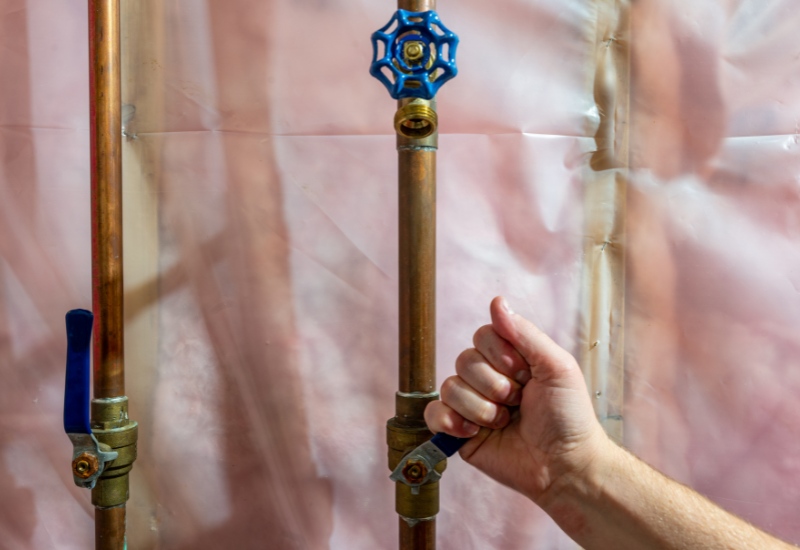
One of the first things every homeowner should locate is the main water shutoff valve. This valve controls the flow of water into your home, and knowing how to turn it off quickly can help limit damage from a burst pipe, overflowing appliance, leaking water heater, or plumbing emergency.
Your main water shutoff may be located in a basement, garage, utility room, crawl space, exterior wall, or near the water meter. Once you find it, make sure you know which direction turns the water off and that the valve is accessible.
It’s also helpful to locate smaller shutoff valves under sinks, behind toilets, near the washing machine, around appliances that use water, and at the base of the lawn sprinkler system. In some emergencies, you may only need to shut off water to one fixture instead of the entire home.
This is also good to know for non-emergency situations, such as updating a faucet or replacing a shower head valve cartridge.
2. Learn How to Shut Off the Gas
If your home uses natural gas or propane, you should know where the gas shutoff valve is located. Gas shutoffs are often found near the gas meter or where the gas line enters the home. In some cases, individual gas appliances, such as a stove, water heater, or furnace, may also have their own shutoff valves.
This is especially important if you ever smell gas, hear a hissing sound near a gas line, or suspect a leak. In those situations, leave the home immediately and call your gas provider or emergency services from a safe location. Do not flip light switches, use appliances, light matches, or attempt to investigate the issue yourself.
If you are unsure how your gas shutoff works, ask your builder, utility company, or a licensed professional to show you. Some gas shutoffs may require a wrench or specific tool, so it’s worth confirming what you need in case an emergency happens.
3. Understand the Breaker Box
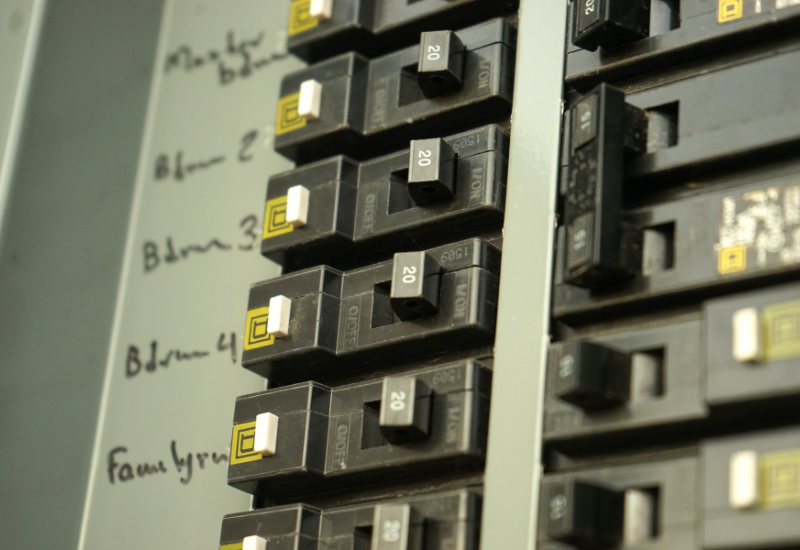
Your electrical panel, often called the breaker box, controls power throughout your home. Each breaker is designed to shut off electricity to a specific area, appliance, or system if there is an overload or electrical issue.
As a homeowner, you should know where the breaker box is located and how to turn breakers off and back on safely. It’s also a good idea to label each breaker clearly if it is not already labeled. For example, labels may include “kitchen outlets,” “primary bedroom,” “garage,” “HVAC,” “water heater,” or “laundry.”
If a breaker trips repeatedly, do not ignore it. A frequently tripping breaker could point to an overloaded circuit, faulty appliance, or electrical issue that should be inspected by a licensed electrician.
If you’re having any problems that require the services of an electrician, the first question they will ask you is “Where is the breaker box?”
4. Locate Smoke Alarms and Carbon Monoxide Detectors
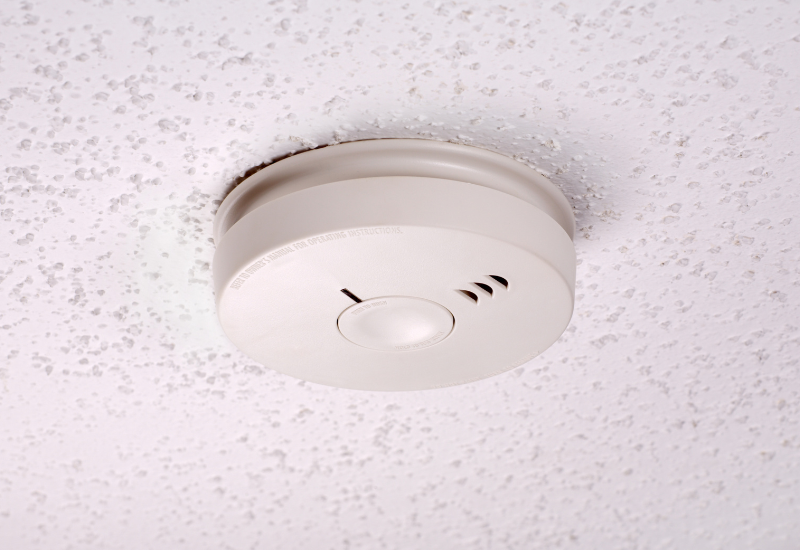
Smoke alarms and carbon monoxide detectors are among the most important safety devices in your home. The National Fire Protection Association recommends testing smoke alarms monthly and replacing smoke alarms every 10 years.
The American Red Cross recommends installing smoke alarms on every level of the home, inside bedrooms, and outside sleeping areas, as well as testing them every month.
Carbon monoxide detectors are also essential, especially in homes with gas appliances, fireplaces, attached garages, or fuel-burning heating systems. Since carbon monoxide is colorless and odorless, a working detector is the only way to know if dangerous levels are present. Check the manufacturer’s instructions for your specific model, as carbon monoxide alarms typically need to be replaced according to the manufacturer’s stated timeline.
5. Know Where the Fire Extinguishers Are
Every homeowner should have fire extinguishers in key areas of the home, especially the kitchen, garage, and near fireplaces or workshops. Make sure each extinguisher is easy to reach and that everyone in the household knows where it is.
It’s also important to understand that fire extinguishers are intended for small, contained fires only. If a fire is spreading, producing heavy smoke, or blocking an exit, leave the home immediately and call 911.
When choosing a fire extinguisher, look for one rated for common household fires. Many homeowners choose a multipurpose ABC fire extinguisher, which is designed for several common types of fires. Review the instructions before you need to use it so you’re not trying to learn during an emergency.
6. Create and Practice a Fire Escape Plan
A fire escape plan is one of the simplest and most important safety steps you can take. Everyone in the home should know the way out of each room, where to meet outside, and what to do if smoke or fire block a normal exit.
The Red Cross recommends talking with household members about a fire escape plan and practicing that plan. Choose a meeting spot that is a safe distance from the home, such as a mailbox, sidewalk, or neighbor’s driveway.
If your home has a second floor, consider whether escape ladders are needed for bedrooms. Keep exits clear of clutter, and make sure windows and doors open properly.
7. Find the HVAC Shutoff and Air Filters
Your heating and cooling system is another important part of home safety. Know where your HVAC shutoff is located, how to turn the system off, and where the air filter is.
Changing air filters regularly helps your HVAC system operate efficiently and can improve indoor air quality. It can also help prevent strain on the system, especially during high-use seasons.
You should also know where your furnace, air handler, outdoor condenser, and thermostat are located. If your home has a gas furnace, make sure you understand basic warning signs of an issue, such as unusual odors, short cycling, or inconsistent heating.
8. Know How to Shut Off Major Appliances
Major appliances can create safety risks if they leak, overheat, malfunction, or experience an electrical issue. Take time to locate shutoffs and disconnects for appliances such as:
- Water heater
- Washing machine
- Dishwasher
- Refrigerator water line
- Stove or oven
- Furnace
- Outdoor AC unit
For appliances that use water, make sure the water supply valves are accessible. For gas appliances, know where the appliance-level gas shutoff is located. For electrical appliances, understand whether the appliance can be unplugged or controlled through the breaker box.
9. Check Your Water Heater Settings and Safety Features
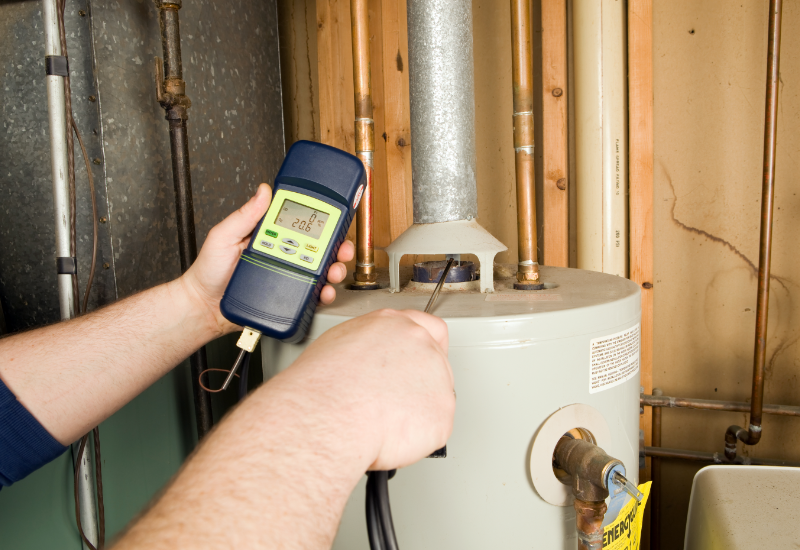
Your water heater is easy to overlook, but it’s an important system to understand. Know where it is, how to turn it off, and whether it is gas or electric. You should also know where the water shutoff valve is for the unit. Be sure you also know how to re-ignite the pilot light should it go out.
Check the temperature setting to help reduce the risk of scalding. Many homeowners keep their water heater set around 120 degrees Fahrenheit, though your needs may vary. If you are unsure, ask a licensed plumber or refer to the manufacturer’s guidance.
You should also be familiar with the temperature and pressure relief valve, often called the T&P valve. This safety feature is designed to release pressure if the tank becomes too hot or over-pressurized. If you notice leaks, rust, strange noises, or inconsistent hot water, have the system inspected.
10. Understand Your Garage Door Safety Features
Garage doors are heavy, moving systems that should be treated with care. Make sure you know how to use the emergency release cord, which allows you to open the garage door manually if the power goes out or the opener fails.
You should also test the garage door’s auto-reverse feature and photo-eye sensors, if applicable. These safety features help prevent the door from closing on a person, pet, vehicle, or object.
Keep the area near the sensors clear, and do not allow children to play with garage door remotes or wall controls.
11. Learn Your Home’s Exterior Safety Points
Home safety measures aren't limited to inside the house. Walk around your home’s exterior and identify important areas such as hose bibs, exterior electrical outlets, drainage paths, window wells, crawl space access, attic vents, and utility boxes.
Make sure outdoor lighting works near entries, walkways, and garages. Check that stairs, railings, gates, and fences are secure. If your home has a sprinkler system, learn where the sprinkler shutoff and controller are located.
You should also know how water drains away from your home. Gutters, downspouts, grading, and drainage systems help protect the foundation and reduce the risk of water intrusion.
12. Keep Emergency Supplies in an Easy-to-Find Place
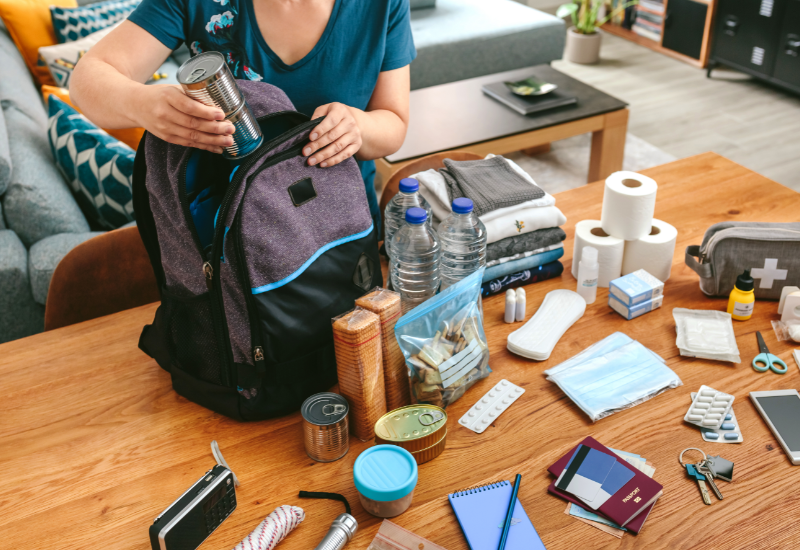
Every household should have basic emergency supplies in case of power outages, severe weather, utility interruptions, or evacuation needs. Ready.gov recommends building an emergency kit with supplies that can help you manage for several days after a disaster.
A basic home emergency kit may include bottled water, nonperishable food, flashlights, batteries, a first-aid kit, phone chargers, medications, copies of important documents, pet supplies, and basic tools.
Store emergency supplies somewhere easy to access, and make sure everyone in the household knows where they are.
13. Save Important Emergency Contacts
Create a list of important contacts and keep it somewhere easy to find. You may also want to save these numbers in your phone.
Useful contacts may include:
- Local emergency services
- Gas company
- Electric company
- Water provider
- Homeowners insurance provider
- Home warranty provider, if applicable
- Builder or warranty department for a new construction home
- Trusted plumber
- Trusted electrician
- HVAC technician
- Poison control
- Nearby neighbor or emergency contact
Having this information ready can save valuable time when something goes wrong.
14. Review Locks, Windows, and Entry Points
When moving into a new home, check all doors, locks, windows, and exterior entry points. Make sure locks work correctly, windows latch securely, and sliding doors are properly secured.
If you purchased a resale home, consider rekeying the locks. If your home is new construction, ask your builder or sales team whether rekeying is needed after closing.
You may also want to check exterior lighting, doorbell cameras, smart locks, security systems, and motion sensors. The goal is not just to protect against break-ins, but also to make daily use of the home safer and more convenient.
15. Know What Is Covered by Your Builder, Warranty, or Insurance
Safety also includes knowing who to call and what may be covered when something goes wrong. Review your homeowner’s insurance policy, builder warranty, manufacturer warranties, and any optional home warranty coverage.
Homeowners insurance generally helps protect against covered losses such as fire, certain storm damage, theft, and liability. A builder warranty or home warranty may apply to certain systems, workmanship, or appliances, depending on the home and coverage.
Keep warranty documents, manuals, and service records organized so they’re easy to reference.
16. Walk Through the Home With Everyone Who Lives There
Once you have located the major safety features, walk through the home with everyone in the household. Point out the water shutoff, gas shutoff, breaker box, fire extinguishers, smoke alarms, carbon monoxide detectors, emergency supplies, and exit routes.
This is especially important because emergencies do not always happen when the most knowledgeable person is home. Everyone should understand the basics of what to do and who to call.
17. Create a Seasonal Home Safety Routine
Home safety is not a one-time task. Set reminders to review key items throughout the year.
A simple seasonal checklist may include:
- Test smoke and carbon monoxide alarms and replace batteries if needed
- Check fire extinguishers
- Review the emergency kit
- Change HVAC filters
- Inspect exterior lighting
- Clear gutters and downspouts
- Check for leaks under sinks and around appliances
- Review your fire escape plan
- Make sure shutoff valves remain accessible
By making safety part of your regular home maintenance routine, you can catch problems before they become larger issues.
FAQ: New Home Safety Basics
What should I do after moving into a new home?
Start by locating the main water shutoff valve, gas shutoff, breaker box, smoke alarms, carbon monoxide detectors, and fire extinguishers. These are some of the most important safety items to know in case of an emergency.
Where is the main water shutoff valve usually located?
The main water shutoff valve may be located in a basement, garage, utility room, crawl space, outside wall, or near the water meter. Its location depends on the home’s design and local utility setup.
Should every homeowner know how to use the breaker box?
Yes. Homeowners should know where the breaker box is and how to turn breakers off safely. However, repeated electrical issues, burning smells, buzzing sounds, or frequently tripped breakers should be handled by a licensed electrician.
How often should smoke alarms be tested?
Smoke alarms should be tested once a month, according to the National Fire Protection Association. Smoke alarms should also generally be replaced every 10 years.
Where should smoke alarms be installed?
The American Red Cross recommends smoke alarms on every level of the home, inside bedrooms, and outside sleeping areas.
Do carbon monoxide detectors expire?
Yes. Carbon monoxide detectors have a limited lifespan, but the exact replacement timeline depends on the manufacturer and model. Check the manufacturer’s instructions and replace the device when recommended.
What should I do if I smell gas in my home?
Leave the home immediately and call your gas company or emergency services from a safe location. Do not use light switches, appliances, matches, or anything that could create a spark.
What should be in a home emergency kit?
A home emergency kit should include basics such as water, nonperishable food, flashlights, batteries, first-aid supplies, medications, phone chargers, important documents, and supplies for pets or specific household needs.
How often should I review my home safety checklist?
Review your home safety checklist at least once or twice a year. It’s also a good idea to review it after moving in, after major repairs, and before seasons with the potential for extreme weather.


